3419 State St, Erie, PA 16508

By State Street Dental | April 6, 2026
Most people who avoid cosmetic dentistry are not avoiding it because they do not want a better smile. They are avoiding it because the version they have in their head is overly white, uniformly perfect, and obviously artificial. That is not something they want on their face. And honestly, that hesitation makes complete sense.
The problem is that the image they are carrying is outdated by about two decades.



Dr. Kevin Sambuchino, Dr. Daniel Roberts, and Dr. Vivian Zhou at State Street Dental work with patients every week who walk in expecting one thing and leave their consultation genuinely surprised by what modern cosmetic dentistry actually delivers today.
The Version of Cosmetic Dentistry You Are Picturing Is No Longer Accurate
The cosmetic dentistry of the early 2000s had a very recognizable look. Veneers were thick and opaque. Every smile treated in that era had a certain uniformity to it that made the work obvious from across a room. That generation of results gave cosmetic dentistry a reputation it has spent years recovering from.
What most patients do not realize is that the materials, the technology, and the entire clinical philosophy behind cosmetic dental procedures have undergone a complete transformation. Today’s porcelain and ceramic materials are engineered specifically to replicate the way natural enamel interacts with light. The subtle translucency, the slight gradient in shade from the base of the tooth to the tip, the way a tooth catches light differently at different angles. Modern materials replicate all of it. A well-placed veneer today does not look like a veneer. It looks like a tooth that has simply always been there.
This shift is the foundation of what modern cosmetic dentistry actually means. The goal is not dramatic transformation for its own sake. It is precise, calibrated enhancement that is genuinely indistinguishable from natural.
What Today’s Cosmetic Treatments Can Actually Do
Porcelain Veneers
One of the first questions patients ask about veneers is how long do veneers last. The honest answer depends heavily on the generation of material being used. Older feldspathic porcelain required significant removal of natural tooth enamel and was more prone to chipping under pressure. Modern pressed ceramic and zirconia-based veneers are considerably thinner and stronger. They require far less preparation of the underlying tooth, which is better for long-term oral health. With proper care they consistently last 10 to 15 years, and in many cases longer.
The comparison of veneers vs bonding also comes up regularly. Bonding is a faster single-visit option that requires no laboratory work, making it a practical choice for small isolated chips or minor gaps. Veneers are the stronger long-term solution when multiple teeth are involved or when the concern extends beyond a minor surface issue. A consultation is the most efficient way to determine which direction actually fits the situation.
Teeth Whitening
Teeth whitening results vary considerably from patient to patient, and the reason almost always comes down to the type of staining involved. Extrinsic stains from coffee, wine, tea, and tobacco sit on the enamel surface and respond well to professional whitening treatments. Intrinsic staining from aging, certain medications, or past dental trauma develops deeper in the tooth structure and requires a different clinical approach entirely. Professional whitening is calibrated to the individual patient’s staining profile rather than applying a single generic formula to everyone. That level of customization is what produces results that actually last, and it is something no over-the-counter product can replicate.
Fixing Chipped or Uneven Teeth
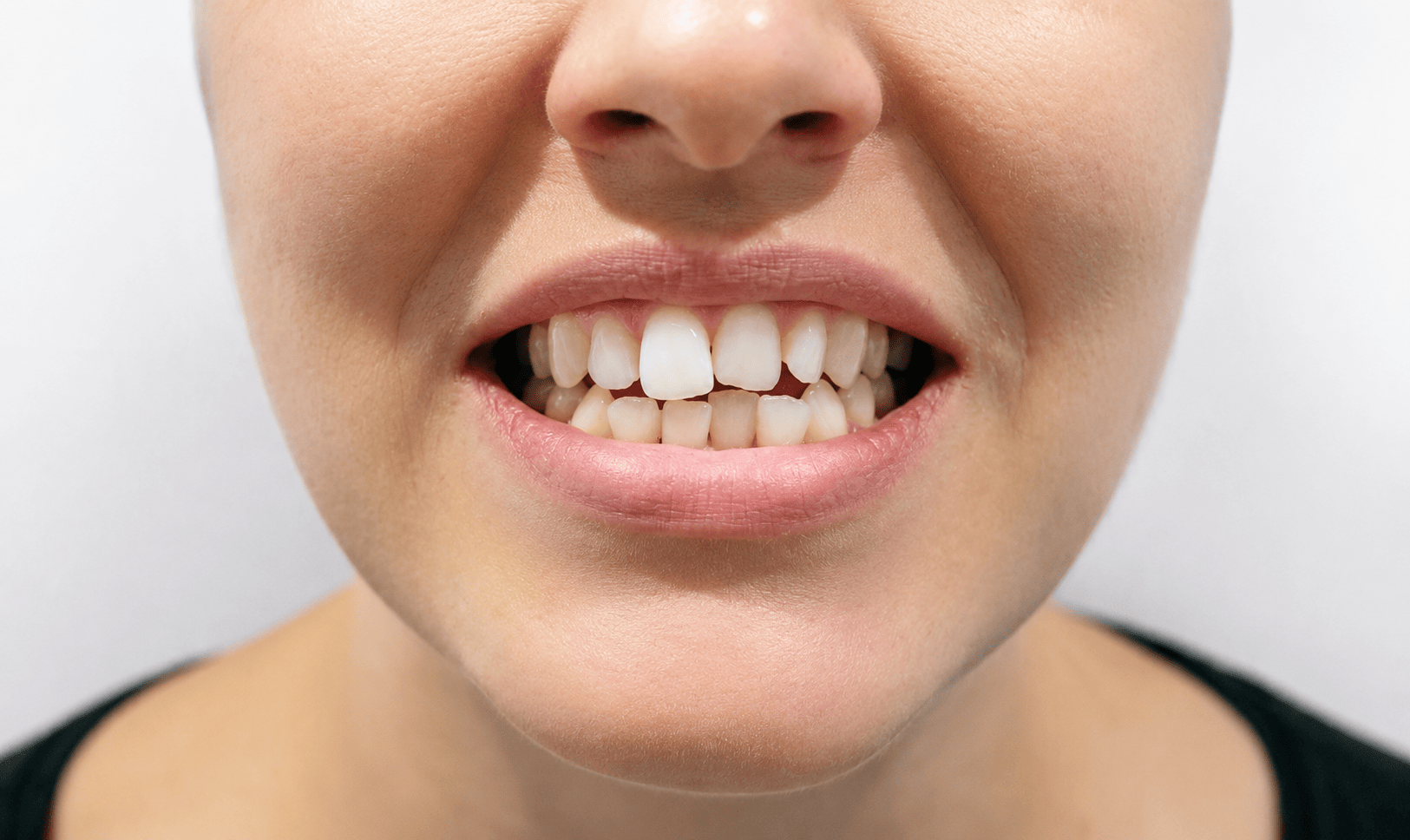
A chipped tooth is one of the most common concerns patients mention during a first visit, and it is also one of the fastest to resolve. For small chips that are not causing structural issues, bonding can restore the shape and appearance in a single appointment. For chips that affect more visible or load-bearing teeth, a porcelain crown or veneer provides a more durable and long-term result. In either case the restored tooth is matched precisely to the surrounding teeth, not just in color but in shape, size, and surface texture, so the repair genuinely disappears into the natural smile.
Smile Makeover
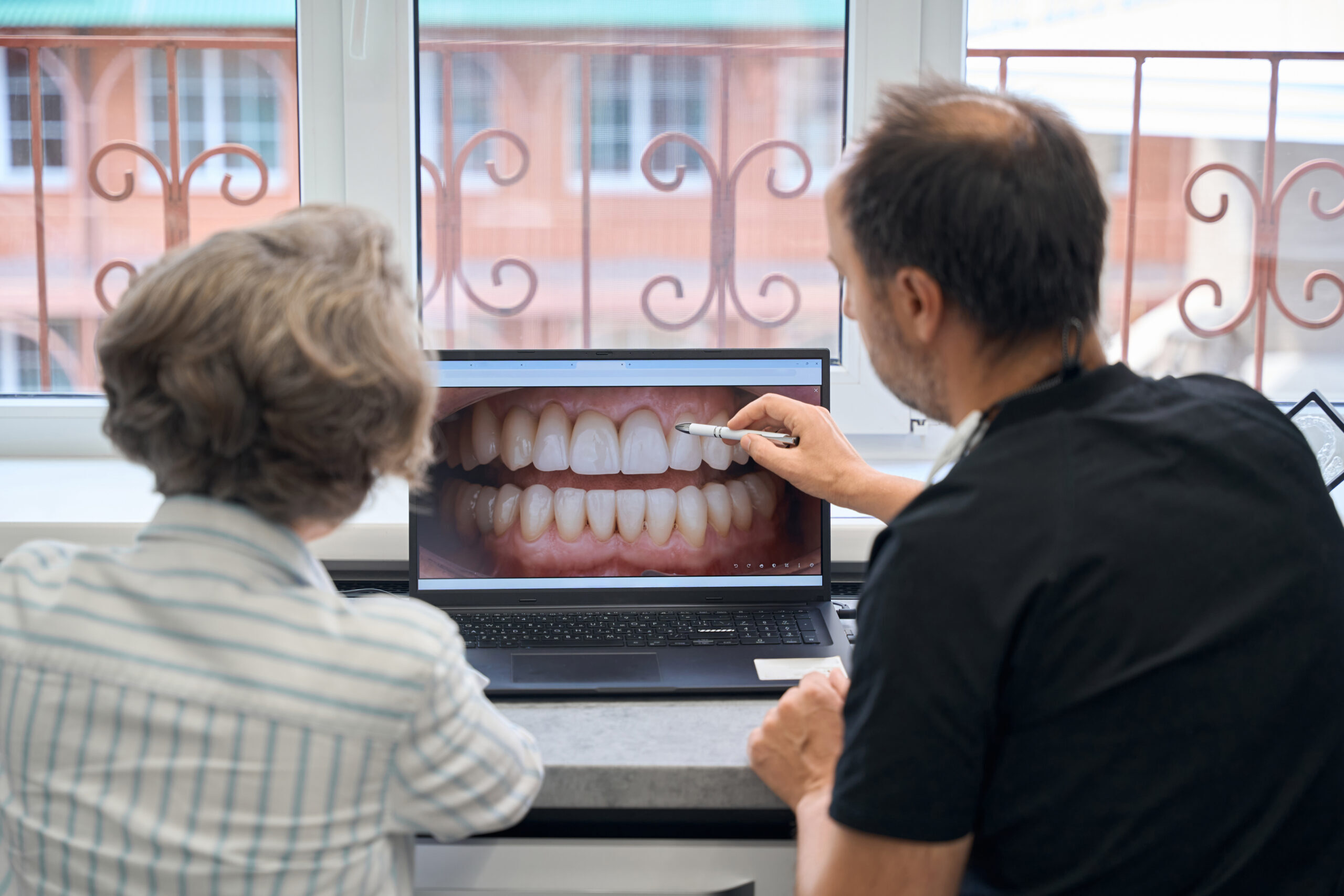
A smile makeover is not one procedure. It is a coordinated treatment plan that combines two or more cosmetic dental procedures designed to address multiple concerns in a unified way. The significant advantage of this approach is that every element is planned together from the start, so the final result is cohesive and proportional rather than a collection of separate fixes. For patients who have more than one concern but are not sure where to begin, a smile makeover consultation usually provides the clearest path forward.
Why So Many People Wait Longer Than They Should
The hesitation most patients feel before exploring cosmetic dentistry in Erie is not about the treatments themselves; it is about not knowing what to expect, how much it will cost, and whether the results will actually look like them. Those are completely reasonable concerns, and they deserve straightforward answers.
Porcelain veneers cost more than whitening and bonding, but they address more and they last significantly longer. Whitening is the most accessible starting point for patients who are not ready for a larger commitment. Some procedures, like crowns, serve both cosmetic and functional purposes and may be partially covered by insurance depending on the patient’s plan. Financing options exist at most practices for treatments that fall outside of what insurance covers.
A dentist in Erie who takes the time to walk through realistic expectations, honest cost breakdowns, and treatment options without pressure is genuinely the most valuable resource a patient has at this stage. That conversation is not a commitment. It is simply information.
What Happens After Treatment
The most consistent thing patients report after completing cosmetic treatment is that the people around them notice something has changed, but cannot identify exactly what. Friends and family comment that the patient looks well rested, or more confident, or somehow better, without being able to point to a specific reason. That is the outcome modern cosmetic dentistry is actually designed to produce.
It does not announce itself. It corrects the things that were quietly drawing attention for the wrong reasons and allows the rest of the face to do what it naturally does.
Dr. Kevin Sambuchino, Dr. Daniel Roberts, and Dr. Vivian Zhou approach every cosmetic case by starting with what the patient actually wants and working carefully from there. At State Street Dental, our dentists are proudly serving patients around the Erie area who are ready to find out what is genuinely possible for their smile.
Take the First Step Toward a Smile You Actually Feel Good About
A consultation is not a commitment; it is a conversation. Book an appointment today and find out what is realistically possible for your smile.
Frequently Asked Question
Is cosmetic dentistry covered by insurance?
Most cosmetic procedures are not covered by insurance unless they serve a functional purpose. Treatments like crowns that restore damaged teeth may be partially covered depending on the patient’s specific plan. It is always worth checking before assuming a procedure is entirely out of pocket.
How long do veneers last?
Modern pressed ceramic and zirconia veneers typically last between 10 and 15 years with proper care. The longevity depends on the material used, the preparation method, and how well the patient maintains their oral hygiene and avoids habits like grinding.
Will cosmetic procedures make my teeth look fake or overdone?
Modern dental materials are specifically engineered to replicate the natural translucency and texture of tooth enamel. Every treatment is customized to complement the patient’s existing teeth and facial features. The goal is always a result that looks natural, not constructed.
What is the difference between dental bonding and porcelain veneers?
Bonding is a single-visit solution well suited to minor chips, small gaps, or isolated surface concerns. Veneers are a more durable long-term option better suited to cases involving multiple teeth or more significant concerns. A consultation is the most efficient way to determine which approach fits a specific situation.