3419 State St, Erie, PA 16508


By State Street Dental | July 20, 2026
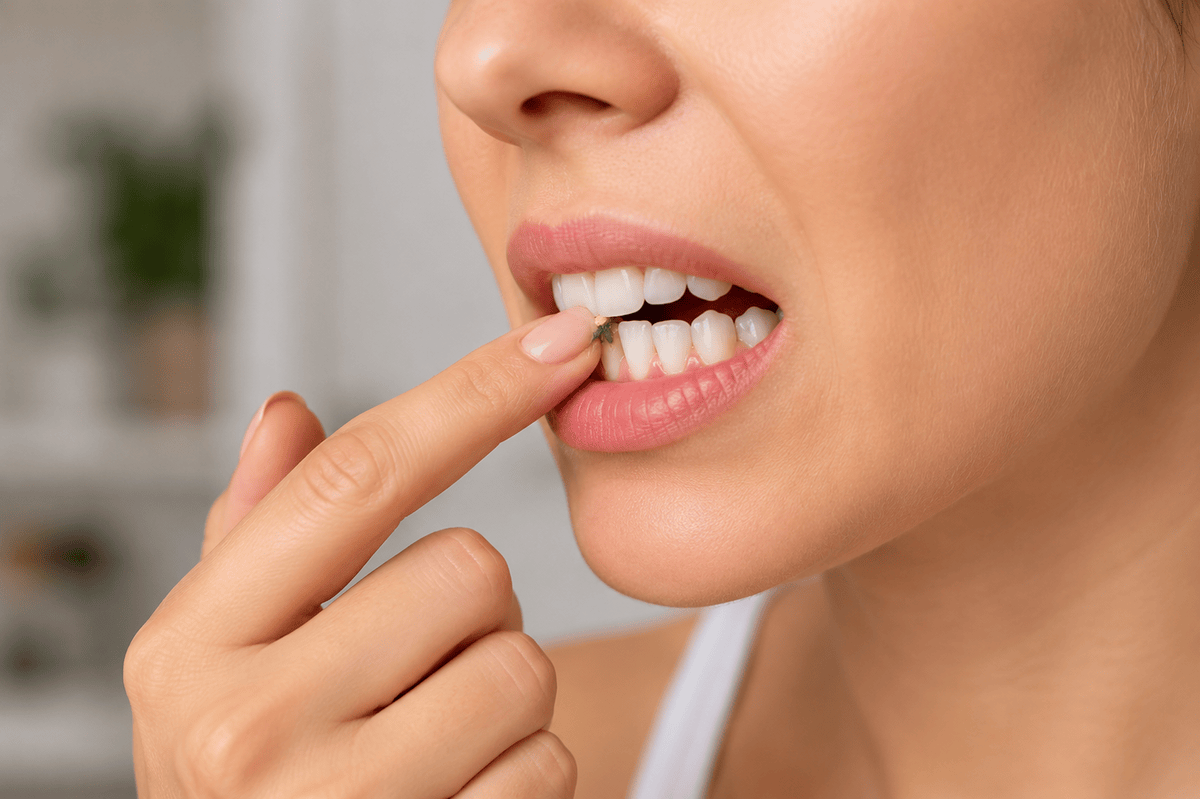
Getting food stuck between your teeth every once in a while is normal. A quick floss is usually all it takes to solve the problem. But if food gets trapped between the same two teeth every day, your mouth could be trying to tell you something.
Many people assume it’s just an annoying inconvenience. In reality, recurring food traps can be one of the earliest warning signs of changes in your oral health, including gum disease, worn dental restorations, or shifting teeth.
At State Street Dental, helping individuals identify the cause of persistent dental concerns before they become bigger problems. The sooner the cause is found, the easier it often is to protect your smile.
Why Does Food Keep Getting Stuck Between the Same Two Teeth?
Healthy teeth naturally touch one another at specific contact points. These contact points prevent food from slipping between your teeth while you eat.
When those contact points change, food begins collecting in the same place over and over.
Common causes include:
- Gum disease causes gum recession
- Cavities between teeth
- Worn or damaged fillings
- A loose or aging dental crown
- A cracked tooth
- Teeth shifting over time
- Bone loss around the teeth
While each of these conditions requires professional attention, gum disease is one of the most common and often overlooked causes.
Could It Be an Early Sign of Gum Disease?
Yes.
One of the first changes many patients notice with gum disease isn’t pain, it’s food getting trapped where it never used to.
As gum disease progresses, the gums begin pulling away from the teeth, creating deeper spaces called periodontal pockets. These pockets allow food particles and bacteria to collect below the gumline, making them difficult to clean with brushing or flossing alone.
You may also notice:
- Bleeding when brushing or flossing
- Swollen or tender gums
- Persistent bad breath
- Sensitive teeth
- Gums that appear to be shrinking
- Spaces are developing between teeth
Because early gum disease is often painless, many people ignore these warning signs until the condition becomes more advanced.
Did You Know? According to the Centers for Disease Control and Prevention (CDC), nearly 47% of U.S. adults aged 30 years and older have some form of periodontal disease. Early diagnosis and treatment can help prevent tooth loss and protect your long-term oral health.
Other Reasons Food Keeps Getting Trapped
Although gum disease is a common cause, it’s not the only one.
Worn Fillings
Dental fillings can wear down or develop tiny gaps over time. Once this happens, food can easily become trapped after meals.
Loose or Damaged Dental Crowns
A crown should fit securely against neighboring teeth. If it becomes loose or worn, small openings may develop where food collects.
Cracked Teeth
Even a tiny crack can slightly separate the tooth during chewing, creating enough space for food to become lodged repeatedly.
Teeth That Have Shifted
Teeth naturally move over time due to aging, grinding, missing teeth, or bite changes. Even slight movement can create new spaces that trap food.
Why Ignoring the Problem Can Make It Worse
A recurring food trap isn’t just frustrating, it creates an environment where bacteria thrive.
Without treatment, it may lead to:
| Potential Problem | Why It Matters |
| Tooth decay | Trapped food feeds cavity-causing bacteria. |
| Gum inflammation | Plaque builds up beneath the gums. |
| Persistent bad breath | Food debris and bacteria create unpleasant odors. |
| Gum disease progression | Infection may damage the gums and supporting bone. |
| Tooth loss | Advanced periodontal disease can weaken the structures supporting your teeth. |
The longer food remains trapped, the harder it becomes to keep the area clean.
How Gum Disease Treatment in Erie, PA Can Help
If gum disease is causing food to become trapped, treating the infection can help protect both your gums and your teeth.
Depending on your oral health needs, treatment may include:
- Professional deep cleaning (scaling and root planing)
- Removing plaque and tartar below the gumline
- Monitoring periodontal pockets
- Personalized home-care recommendations
- Ongoing periodontal maintenance visits
If another condition is responsible, your dentist may recommend replacing a filling, repairing a crown, or restoring a damaged tooth.
At State Street Dental, every treatment plan is tailored to the individual. We focus on finding the root cause, not simply treating the symptom, so you can enjoy comfortable eating and healthier gums.
When Should You See a Dentist?
You don’t need to wait until you’re in pain.
Schedule an evaluation if:
- Food consistently gets trapped in the same location
- Your gums bleed when brushing or flossing
- You notice gum recession
- Your breath stays bad despite brushing
- Chewing has become uncomfortable
- A filling or crown feels different than before
Early care is usually less invasive, more comfortable, and more affordable than treating advanced dental problems later.
Protect Your Smile Before a Small Problem Becomes a Bigger One
Food getting stuck between the same two teeth isn’t something you should simply learn to live with. It may be your mouth’s way of alerting you to gum disease, a damaged restoration, or another underlying issue that deserves attention.
At State Street Dental, we’re proudly serving patients in Erie, PA, and nearby communities, providing compassionate, personalized care for every stage of oral health. Whether you need preventive care or gum disease treatment in Erie, PA, our team is here to help you restore a healthier, more comfortable smile.
If you’ve been reaching for the floss after every meal because food keeps getting trapped in the same place, now is the perfect time to schedule a dental evaluation and address the problem before it progresses.
Frequently Asked Questions
Why does food always get stuck between the same two teeth?
It may be caused by gum disease, gum recession, a cavity, a worn filling, a loose crown, or teeth shifting over time.
Can food getting stuck between my teeth be a sign of gum disease?
Yes. Gum disease can create periodontal pockets where food and bacteria become trapped, especially in the early stages.
Will flossing alone solve the problem?
No. Flossing removes trapped food but doesn’t correct the underlying cause, which often requires professional dental treatment.
Can gum disease cause spaces between teeth?
Yes. As gum disease progresses, bone and gum tissue can recede, creating larger spaces where food becomes trapped more easily.
When should I seek gum disease treatment?
If food repeatedly gets stuck between the same teeth, or you notice bleeding gums, swelling, bad breath, or gum recession, it’s time to schedule a professional dental evaluation.