3419 State St, Erie, PA 16508


By State Street Dental | July 22, 2026
A severe toothache can make it difficult to eat, sleep, or even concentrate. Then, just as suddenly as it started, the pain disappears. At first, that might feel like great news. Many people assume the problem has healed itself and decide to cancel or postpone their dental appointment.
Unfortunately, that’s often the wrong decision.
A tooth that suddenly stops hurting doesn’t always mean it’s healthy. In many cases, it can indicate that the tooth’s nerve has died while the infection continues to spread unnoticed. Waiting too long could lead to more complex treatment or even affect neighboring teeth.
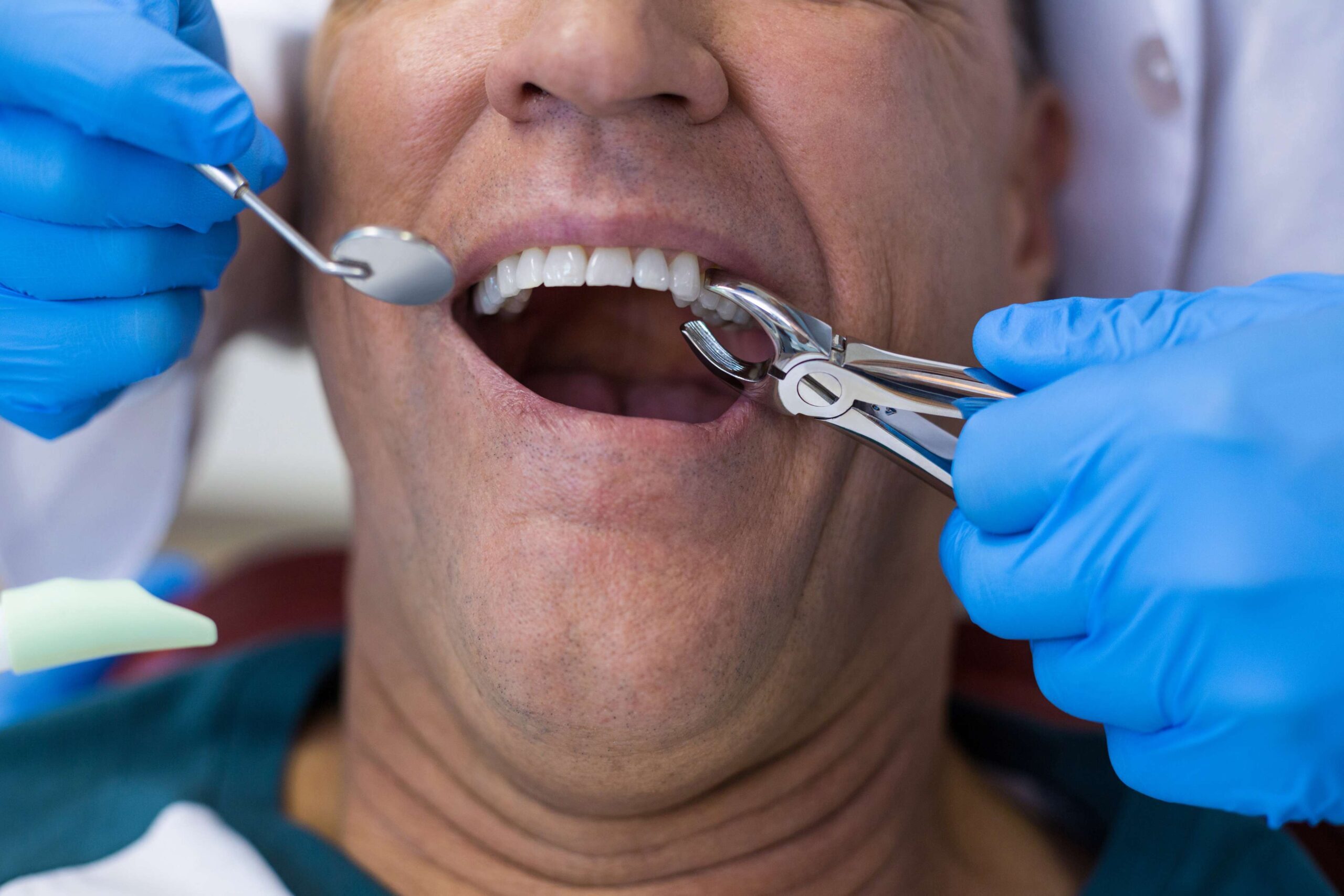
If you’re searching for information about tooth extractions in Erie, PA, understanding why the pain disappeared can help you make the right decision before a small problem becomes a dental emergency.
Does a Tooth Heal Itself When the Pain Goes Away?
In most cases, no.
Natural teeth cannot repair deep decay or eliminate bacterial infections on their own. While the pain may fade, the underlying problem often remains.
One common reason the discomfort stops is that the infected nerve inside the tooth has lost its ability to send pain signals. Although you may feel better temporarily, bacteria can continue damaging the surrounding bone and gum tissue.
That’s why dentists recommend evaluating the tooth even if it no longer hurts.
What Could Cause a Toothache to Suddenly Stop?
Several dental conditions can explain why pain disappears without the tooth actually getting better.
1. The Tooth Nerve Has Died
When decay reaches the center of the tooth, bacteria can infect the dental pulp.
As the nerve tissue dies, pain may decrease or disappear altogether. Unfortunately, the infection often remains active beneath the surface and can continue spreading into the surrounding tissues.
2. An Abscess Has Started Draining
Sometimes pressure from an infected tooth is temporarily relieved when an abscess begins draining.
Although this may reduce pain, it doesn’t eliminate the infection.
Without professional treatment, the infection can return and become even more serious.
3. A Cracked Tooth Has Worsened
Small cracks may cause sharp pain while chewing.
As the crack deepens, the nerve inside the tooth can become permanently damaged, causing the pain to fade even though the tooth’s condition has worsened.
4. Advanced Gum Disease
Infections affecting the gums and supporting bone don’t always produce constant pain.
As periodontal disease progresses, a tooth may loosen without causing significant discomfort until the damage becomes extensive.
According to the Centers for Disease Control and Prevention (CDC), nearly 42% of adults aged 30 and older have some form of periodontal disease, making early diagnosis essential for protecting natural teeth.
Signs Your Tooth Still Needs Immediate Attention
Even if the pain has disappeared, these symptoms should never be ignored.
| What You Notice | What It May Mean | Why It Matters |
| Toothache suddenly stopped | Dead or damaged nerve | Infection may still be present |
| Swelling around the tooth or gums | Dental abscess | Infection can spread to surrounding tissues |
| Bad taste or drainage in your mouth | Abscess draining | Professional treatment is still necessary |
| Tooth feels loose | Bone or gum damage | May require extraction if support is lost |
| Pain when chewing returns occasionally | Crack or ongoing infection | Early care may prevent further damage |
Will Every Tooth That Stops Hurting Need to Be Extracted?
Not necessarily.
One of the biggest misconceptions is that a painless tooth automatically needs to be removed. In many cases, a tooth can still be saved if it’s evaluated early enough.
Depending on the condition of the tooth, your dentist may recommend:
- A tooth-colored filling
- A dental crown
- Root canal therapy
- Periodontal treatment
However, if the tooth is severely damaged, fractured below the gumline, or the infection has destroyed too much of the surrounding structure, tooth extraction may be the healthiest option to protect your overall oral health.
At State Street Dental, preserving your natural teeth is always the priority whenever possible.
How Your Dentist Decides Whether the Tooth Can Be Saved
Every tooth is different. That’s why your dentist performs a comprehensive evaluation before recommending an extraction.
Your visit may include:
- Comprehensive dental examination
- Digital X-rays
- Assessment of bone support
- Evaluation of the tooth’s structure
- Bite analysis
- Examination for infection or Abscess
This allows your dentist to recommend the most conservative treatment while protecting your long-term oral health.
Why Delaying Treatment Can Create Bigger Problems
Waiting because the pain has disappeared may allow the infection to continue spreading silently.
Over time, untreated infections can lead to:
- Facial swelling
- Bone loss around the tooth
- Damage to neighboring teeth
- More complicated treatment
- Tooth loss
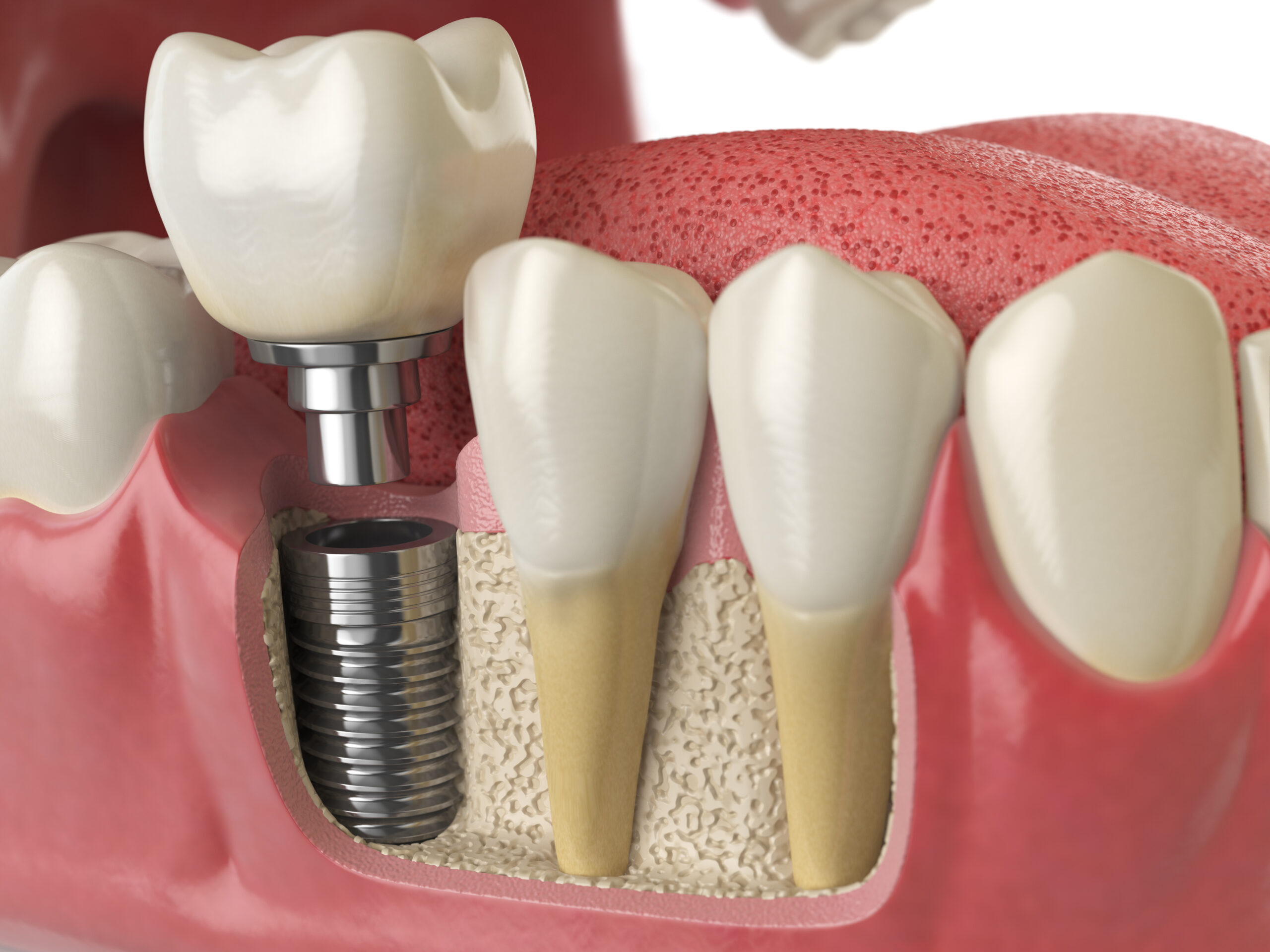
- Replacement with a dental implant or bridge
Research from the American Association of Endodontists shows that early diagnosis and treatment significantly improve the chances of preserving natural teeth whenever possible.
When Should You Call a Dentist?
You should schedule an appointment as soon as possible if:
- Your tooth recently stopped hurting after a severe toothache.
- You notice swelling or drainage.
- The tooth feels loose.
- You have recurring pain while chewing.
- A filling or crown has broken.
- You suspect an infection.
Early evaluation gives your dentist the best opportunity to save the tooth before extraction becomes necessary.
Don’t Let Temporary Relief Delay the Care You Need
A tooth that suddenly stops hurting may feel like the problem has been resolved, but appearances can be deceiving. In many cases, the pain disappears because the nerve has been damaged, not because the infection is gone.
At State Street Dental, our experienced team proudly cares for patients throughout Erie, PA, Millcreek, Harborcreek, Fairview, Wesleyville, and surrounding communities. If you’re concerned about whether you need tooth extractions in Erie, PA, we’ll carefully evaluate your tooth, explain every treatment option, and recommend the most conservative solution whenever possible.
Request an Appointment if your tooth pain has suddenly disappeared, and learn how our compassionate team helps patients make informed decisions about their oral health.
Frequently Asked Questions (FAQ’s)
Can a tooth still be infected if it no longer hurts?
Yes. Pain may disappear after the tooth’s nerve dies, but the infection can remain active.
Will every painless tooth need an extraction?
No. Some teeth can be saved with treatments like a root canal or dental crown if addressed early.
How do dentists know if a tooth can be saved?
A comprehensive exam, digital X-rays, and an evaluation of the tooth’s structure determine the best treatment.
Should I keep my appointment if my tooth stopped hurting?
Yes. The underlying problem may still require prompt treatment.
When is a tooth extraction the best option?
Extraction is recommended when a tooth cannot be safely restored or when keeping it could affect your oral health.