3419 State St, Erie, PA 16508

By State Street Dental | August 14, 2026
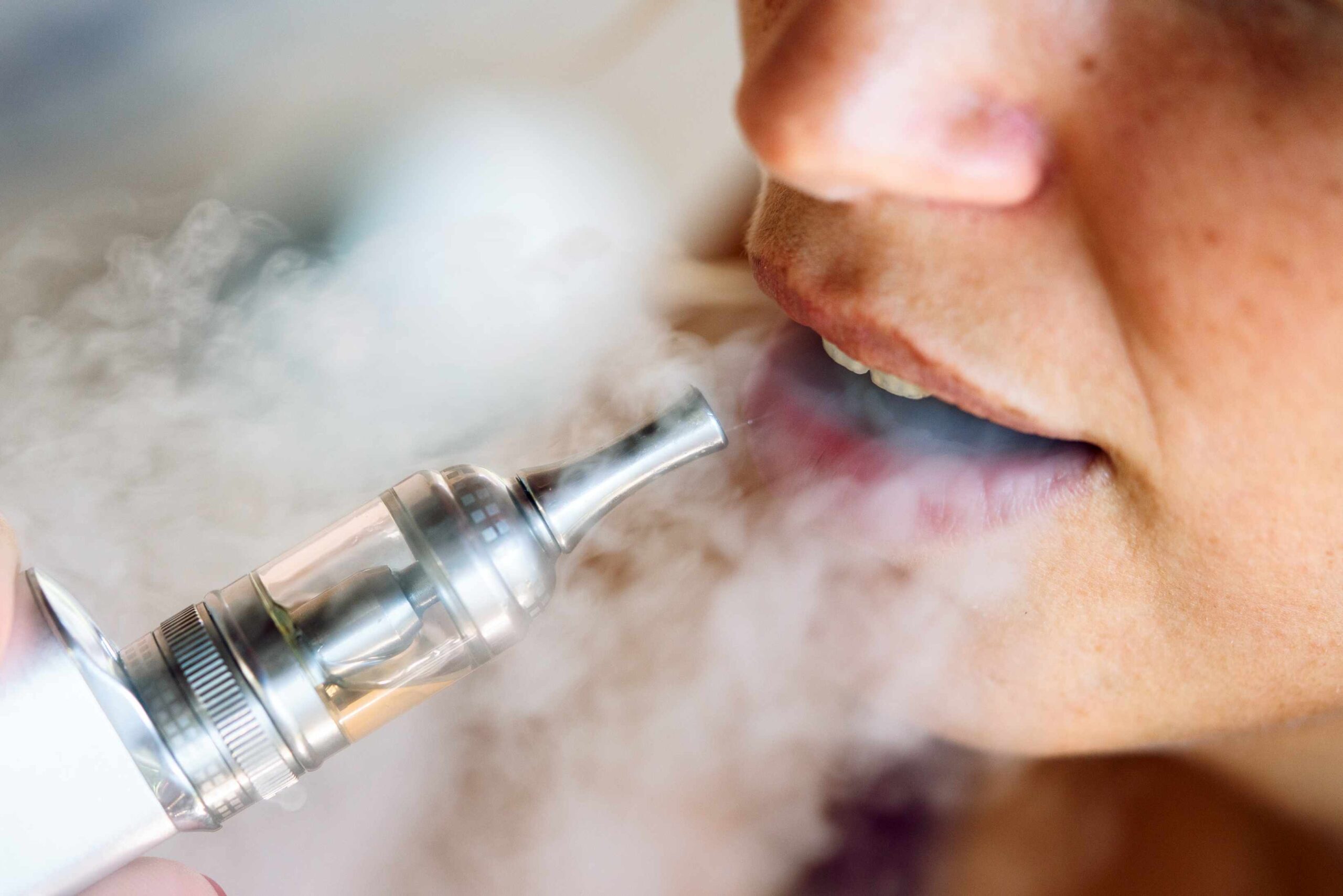
If you’re considering a dental implant in Erie, PA and use a vape, one question deserves a clear answer: Can vaping affect how well your dental implant heals?
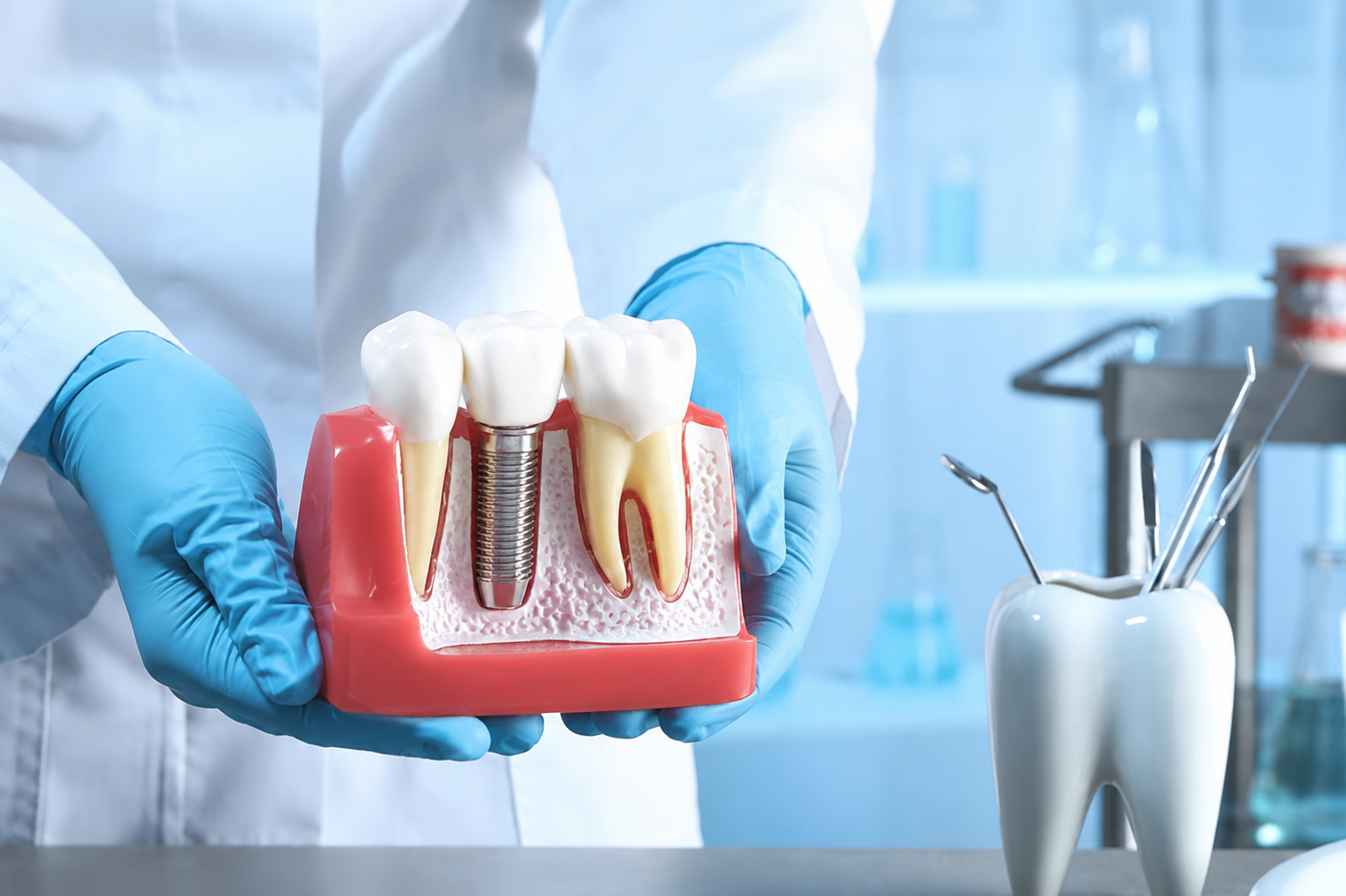
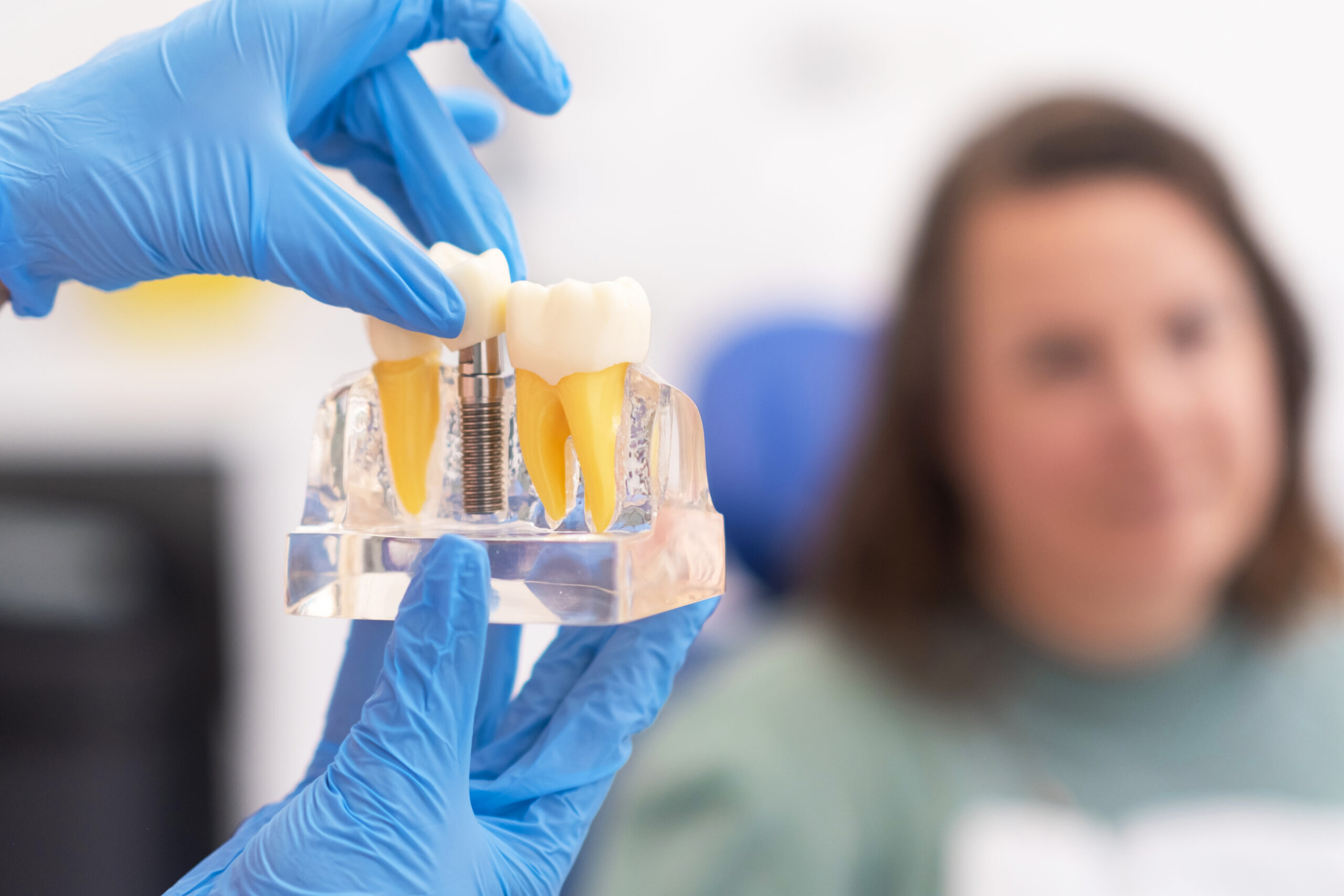
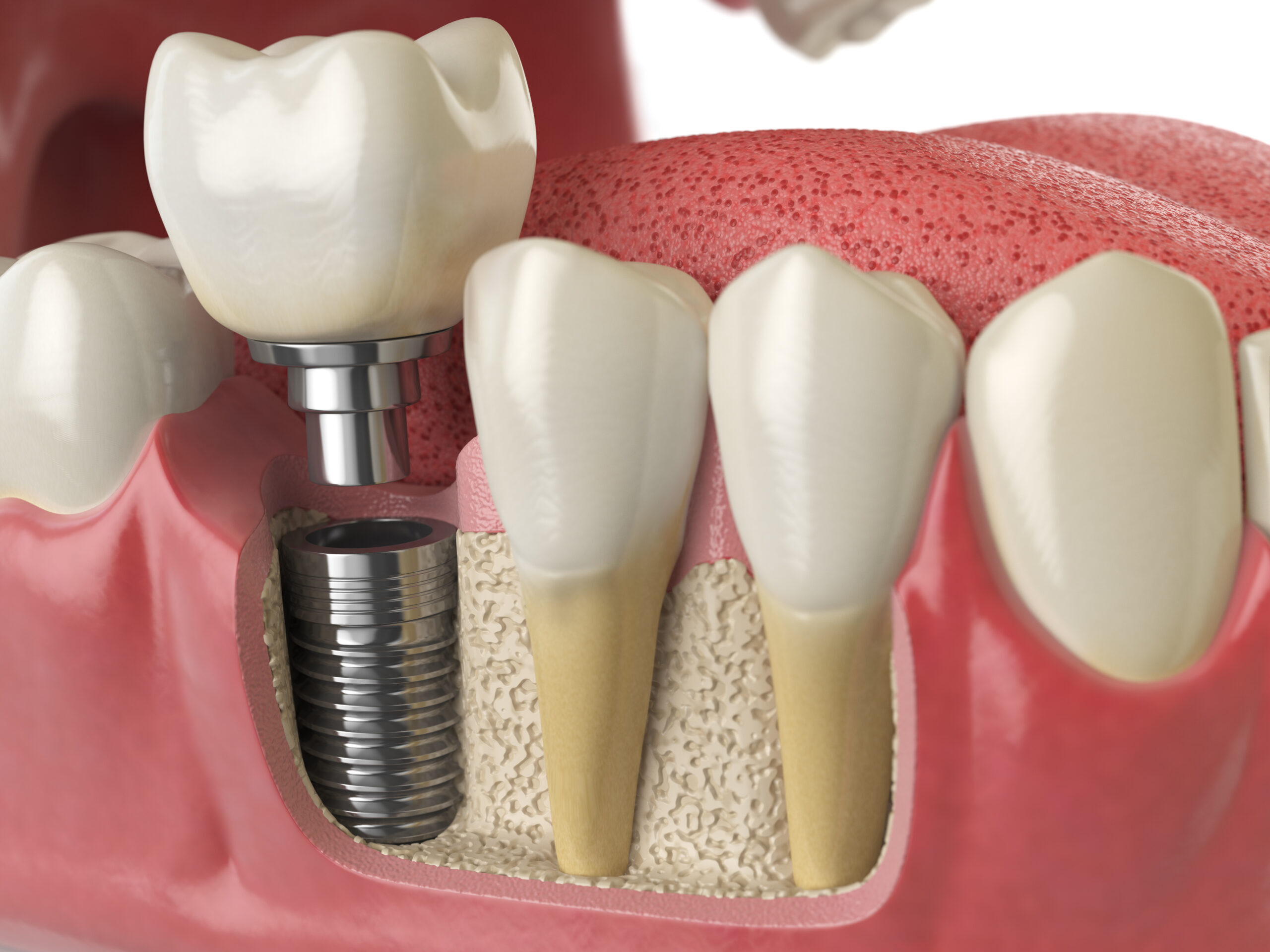
The answer is important because dental implants don’t simply replace a missing tooth. They require your jawbone and surrounding tissues to heal around the implant through a process called osseointegration.
Vaping does not automatically mean you cannot receive an implant. However, nicotine exposure and the chemicals delivered through vaping may create conditions that make healing more difficult. If you’re planning dental implant treatment, your dentist should know whether you vape before treatment begins.
Why Healing Matters After a Dental Implant
A dental implant is placed into the jawbone, where it needs time to become firmly integrated with the surrounding bone.
During this healing period, your body is repairing tissue and building a stable biological connection around the implant.
That means anything that interferes with blood flow, immune response, tissue repair, or bone healing can potentially become a concern.
Smoking has long been recognized as a risk factor for dental implant complications. The American Academy of Periodontology identifies tobacco use as a significant risk factor for periodontal disease and poorer oral-health outcomes. Research has also consistently associated smoking with increased dental implant failure risk. (perio.org)
Vaping is newer, so the evidence base is not as extensive. But “less research” does not mean “no risk.”
How Could Vaping Affect Implant Healing?
1. Nicotine Can Reduce Blood Flow
Many vaping products contain nicotine.
Nicotine can cause blood vessels to constrict, reducing blood flow to tissues. Good circulation matters after implant surgery because healing tissues require oxygen and nutrients.
Reduced blood flow can potentially interfere with the body’s ability to repair surgical tissues efficiently.
This is particularly relevant during the early healing period, when the implant site is vulnerable.
2. Vaping May Affect Oral Tissues
Your gums are not just cosmetic tissue surrounding your teeth. They form an important barrier around the implant area.
Research examining electronic-cigarette exposure has found concerns involving inflammation, oxidative stress, and changes in oral tissues. The American Dental Association has also cautioned that e-cigarette aerosol can expose oral tissues to potentially harmful substances and that more research is needed to understand the long-term effects. (ada.org)
After implant surgery, keeping the surrounding tissue healthy is especially important.
3. Vaping May Increase the Risk of Implant Complications
Dental implant failure can have several causes, including infection, inadequate bone, excessive forces, poor oral hygiene, systemic health factors, and tobacco exposure.
A systematic review and meta-analysis published in Clinical Oral Investigations found that smokers had a significantly higher risk of dental implant failure compared with nonsmokers. (pubmed.ncbi.nlm.nih.gov)
For vaping specifically, the evidence is still developing. Some clinical studies and reviews have reported associations between electronic-cigarette use and poorer periodontal or peri-implant outcomes, but the available research is not strong enough to claim that vaping directly causes every implant complication.
That distinction matters.
The safest approach is to treat nicotine vaping as a potential healing risk, not something to ignore simply because it isn’t traditional cigarette smoking.
What About Vaping Before Implant Surgery?
The conversation should begin before your implant is placed.
If you vape, tell your implant dentist. Don’t assume the information is irrelevant because vaping doesn’t involve traditional tobacco smoke.
Your dentist can consider factors such as:
- Your nicotine use
- Existing gum disease
- Bone quality and quantity
- Oral hygiene
- Medical history
- Previous dental treatment
- Whether bone grafting is required
- Your ability to follow post-operative instructions
In some cases, your dental team may recommend stopping nicotine use before surgery and remaining nicotine-free during healing.
Your dentist and medical provider can help you determine the safest approach, particularly if you’re dependent on nicotine.
How Long Should You Avoid Vaping After a Dental Implant?
There is no single number of days that applies to every implant patient.
Healing varies depending on the location of the implant, whether bone grafting was performed, your overall health, oral hygiene, and other individual factors.
Your dentist’s instructions should take priority.
What is clear is that the early healing period is not the time to test whether vaping will affect your implant.
Even if the surgical site feels comfortable after a few days, the deeper biological healing process continues for much longer.
If your implant dentist has specifically instructed you to avoid vaping or nicotine during healing, follow that recommendation rather than assuming that feeling better means the implant is fully healed.
Warning Signs After Implant Placement
Contact your dental office if you experience symptoms that seem unusual or worsen instead of improving.
Pay attention to:
- Increasing pain after the initial recovery period
- Persistent or increasing swelling
- Pus or unusual drainage
- Fever
- Significant bleeding
- A loose-feeling implant
- Persistent bad taste or odor
- Gum tissue that does not appear to be healing normally
A dental implant should not be ignored simply because discomfort is expected after surgery.
Early evaluation can help your dentist determine whether you’re experiencing normal healing or a complication requiring treatment.
What Erie, PA Implant Patients Should Remember
If you’re preparing for dental implants in Erie, Millcreek, Harborcreek, Wesleyville, Fairview, or nearby communities, vaping is worth discussing with your dental provider before treatment.
The goal isn’t to judge your nicotine use. The goal is to protect your investment in your oral health.
Dental implants require surgery, healing, and long-term maintenance. Taking steps that support healthy gums and bone can improve the conditions your implant needs to succeed.
At State Street Dental, your dental team can evaluate your oral health and discuss the factors that may affect your treatment and recovery.
If you’re considering an implant or already have one and vape, schedule a consultation to discuss your individual situation.
You can also meet our doctors and learn more about the dental team serving patients throughout Erie and nearby communities.
Protect the Implant You Invested In
Vaping should not be treated as automatically harmless simply because it produces vapor instead of cigarette smoke.
The strongest evidence currently exists for conventional smoking, while research specifically examining vaping and dental implants is still developing. However, nicotine’s effects on blood vessels and the potential effects of vaping exposure on oral tissues provide legitimate reasons for caution during implant healing.
If you’re preparing for dental implant treatment, the best strategy is straightforward: tell your dentist that you vape, follow your post-operative instructions carefully, maintain excellent oral hygiene, and discuss nicotine cessation or alternatives with your healthcare providers.
Your implant is designed to last for years. Give it the healthiest possible environment while it heals.
Frequently Asked Questions (FAQ’s)
Can vaping cause dental implant failure?
Vaping has not been proven to cause every dental implant failure, but nicotine and vaping-related oral effects may interfere with healthy healing and increase potential complications.
Should I stop vaping before getting a dental implant?
Patients should discuss vaping with their implant dentist because nicotine exposure may affect healing; your dental team can recommend an appropriate cessation period based on your treatment.
How long should I avoid vaping after dental implant surgery?
There is no universal timeframe for every patient, so follow the specific nicotine and vaping restrictions provided by your implant dentist during the healing period.
Can I vape after my dental implant feels healed?
Feeling comfortable does not necessarily mean osseointegration is complete, so ask your dentist before resuming vaping after implant treatment.
Does nicotine affect dental implant healing?
Yes, nicotine can constrict blood vessels and may interfere with the blood flow and tissue-healing processes needed for successful recovery after implant surgery.