3419 State St, Erie, PA 16508


By State Street Dental | September 21, 2026
You might remember having perfectly straight teeth in your twenties. Now, when you look in the mirror, your lower front teeth seem crowded, or a small gap has appeared between two teeth.
It is not your imagination. Teeth can gradually change position throughout adulthood, even if you previously wore braces. Many adults in Erie are surprised to learn that tooth movement is not limited to childhood. Fortunately, modern orthodontic treatments offer ways to address shifting teeth without necessarily wearing traditional metal braces.
Why Do Teeth Shift as You Get Older?
Your teeth are supported by bone, gum tissue, and periodontal ligaments. These structures respond to pressure throughout your life.
Several factors can contribute to changes in tooth alignment.
Natural Age-Related Changes
The positions of teeth can change gradually over time. Crowding, particularly around the lower front teeth, is common in adults. These changes can occur even when you maintain healthy gums and practice proper oral hygiene.
Previous Orthodontic Treatment
Did you wear braces as a teenager but stop using your retainer? Teeth have a natural tendency to move after orthodontic treatment. Without consistent retainer use, some of the original alignment problems may return. This is known as orthodontic relapse.
Gum Disease and Bone Loss
Periodontal disease can damage the tissues and bone supporting your teeth. As these structures weaken, teeth may become mobile, develop gaps, or shift into different positions. Sudden tooth movement, particularly when accompanied by bleeding gums or loose teeth, requires a dental evaluation.
Missing Teeth
When a tooth is lost, adjacent teeth may gradually tilt toward the empty space. This movement can affect your bite and create new alignment problems.
Changes in Your Bite
Tooth wear, missing restorations, and other dental changes can alter how your teeth contact one another. These factors may contribute to discomfort or changes in tooth position.
Can Invisalign Correct Teeth That Have Shifted?
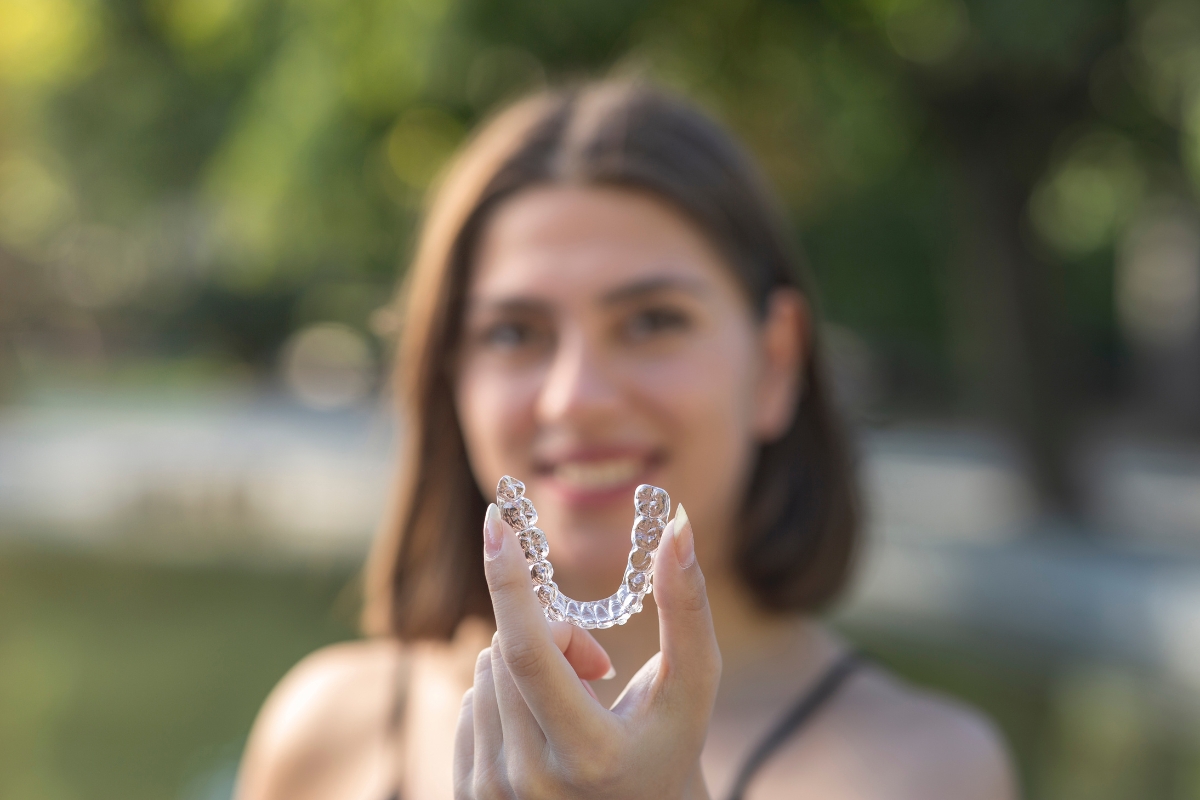
For many adults, Invisalign offers a discreet way to improve tooth alignment. Invisalign uses a series of custom-made, removable clear aligners to apply controlled pressure to teeth.
Each set of aligners is designed to move teeth incrementally according to a planned treatment sequence.
Depending on your individual case, Invisalign may help address:
- Mild to moderate crowding
- Spaces between teeth
- Certain overbites and underbites
- Some crossbites
- Orthodontic relapse after previous treatment
More complicated alignment problems may require additional techniques or another orthodontic approach.
A clinical examination is necessary to determine whether clear aligners are suitable.
Why Are Adults Interested in Clear Aligners?
One of the biggest concerns adults have about orthodontic treatment is how it will affect their daily lives. Whether you work in downtown Erie, attend meetings throughout the day, or spend time with family and friends, you may prefer a treatment that is less noticeable.
A More Discreet Appearance
Clear aligners are designed to fit closely over your teeth. Although they are not completely invisible, they are generally less noticeable than traditional metal brackets.
Removable for Meals
Unlike fixed braces, Invisalign aligners can be removed while eating. This means you do not have the same food restrictions associated with traditional braces. However, you must brush your teeth before reinserting your aligners whenever possible.
Easier Brushing and Flossing
Because aligners are removable, you can continue brushing and flossing without navigating around brackets and wires. Maintaining proper oral hygiene remains essential throughout treatment.
Fewer Dietary Restrictions
You can remove the aligners to enjoy meals at your favorite Erie restaurants.
The important rule is to avoid eating while wearing them and to drink only plain water when the aligners are in place.
How Long Does Invisalign Treatment Take?
Treatment duration depends on the complexity of the alignment problem and how consistently you wear your aligners. Some limited corrections may take several months. More involved cases may require a year or longer.
Most patients are instructed to wear their aligners approximately 20 to 22 hours per day. Removing them too frequently can delay progress. Your dentist will establish a treatment schedule and monitor tooth movement during follow-up appointments.
What Happens During an Invisalign Consultation?
If you are exploring Invisalign in Erie, the first step is a comprehensive orthodontic evaluation. Your dentist will examine your teeth, gums, and bite.
Photographs, dental impressions or digital scans, and X-rays may be used to assess your condition and plan treatment. Your dentist will also check for untreated cavities or gum disease.
These issues generally need attention before orthodontic movement begins. After the evaluation, you can discuss expected treatment time, aligner wear, and whether attachments or other orthodontic techniques may be necessary.
State Street Dental offers Invisalign and traditional orthodontic options, allowing patients to discuss different approaches to straightening their teeth.
Will Your Teeth Stay Straight After Invisalign?
Finishing your aligners does not mean your teeth will remain in place automatically. Retainers are an essential part of maintaining orthodontic results.
Your dentist will recommend a retention schedule based on your treatment. Many patients need long-term nighttime retainer wear to reduce the likelihood of future shifting. Skipping this step can allow some crowding or spacing to return.
When Should You Get Shifting Teeth Checked?
Minor changes in alignment are not always urgent. However, you should schedule a dental examination if you notice rapidly developing gaps, loose teeth, bleeding gums, or changes in how your bite fits together.
These symptoms may indicate an underlying dental problem rather than ordinary orthodontic relapse. Addressing the cause is important before considering cosmetic alignment treatment.
FAQs About Invisalign for Adults
1. Can Invisalign straighten teeth after age 40?
Yes. Adults in their forties, fifties, and beyond may qualify for Invisalign. Healthy teeth, gums, and supporting bone are important considerations.
2. Is Invisalign painful?
You may experience mild pressure or tenderness when switching to a new set of aligners. This usually improves as your teeth adjust.
3. Can I get Invisalign in Erie if I previously had braces?
Yes. Invisalign may correct certain types of orthodontic relapse. State Street Dental can evaluate your current alignment and discuss suitable treatment options.
4. Does Invisalign work faster than traditional braces?
Not necessarily. Treatment speed depends on the complexity of your case, the movements required, and how consistently you wear your aligners.
Discover What Your Smile Could Look Like
If your teeth have shifted over the years, you do not have to assume that orthodontic treatment is only for teenagers. State Street Dental in Erie, PA, provides Invisalign consultations for adults interested in improving their alignment and oral health.