3419 State St, Erie, PA 16508


By State Street Dental | October 5, 2026
You brush twice a day, floss regularly, and rarely miss a dental appointment. Yet your teeth still look yellow in photographs. It can be frustrating, especially when social media is filled with bright smiles and whitening products promising dramatic changes.
However, yellow teeth do not automatically mean poor oral hygiene. Tooth color is influenced by genetics, age, enamel thickness, diet, and several other factors. Understanding why your teeth look discolored is the first step toward choosing a treatment that works. For patients in Erie, professional teeth whitening may help address certain types of staining, but not every discoloration responds the same way.
Why Do Teeth Turn Yellow Even With Proper Brushing?
Your teeth contain several layers. Enamel forms the protective outer surface. Beneath it is dentin, a naturally yellowish tissue.
As enamel is somewhat translucent, the color of the underlying dentin affects how your teeth appear. Several factors can make teeth look darker over time.
Natural Aging
As you age, enamel may become thinner from years of wear. The underlying dentin can become more visible, making teeth appear increasingly yellow. This change can happen even when you maintain excellent oral hygiene.
Coffee and Tea
Many Erie residents enjoy a morning coffee before work or a warm cup of tea during colder Pennsylvania months. Coffee and tea contain pigments that can contribute to external tooth staining. Drinking these beverages regularly may gradually affect the appearance of your smile.
Red Wine and Dark Foods
Red wine, berries, certain sauces, and other deeply colored foods can leave pigments on enamel. These stains often develop gradually, making the change difficult to notice.
Tobacco Use
Smoking and other tobacco products can produce persistent yellow or brown staining. Tobacco use also increases the risk of gum disease and other oral health problems.
Previous Dental Trauma
An injured tooth may darken if the dental pulp becomes damaged. Discoloration affecting only one tooth deserves a professional examination, particularly after an injury.
Certain Medications
Some medications and developmental conditions can cause internal tooth discoloration. These stains may respond differently to whitening than ordinary surface stains.
Why Doesn’t Regular Toothpaste Remove Every Stain?
Most standard toothpastes help remove plaque and some surface discoloration. However, they cannot change the underlying natural color of dentin.
Whitening toothpastes generally use polishing agents or other ingredients to reduce external stains. They do not necessarily produce the same degree of color change as professional bleaching treatments.
Brushing more aggressively is not the solution. Excessive pressure and abrasive products can contribute to enamel wear and gum recession. Both problems may eventually make your teeth appear more yellow.
How Does Professional Teeth Whitening Work?
Professional whitening treatments use bleaching agents, commonly hydrogen peroxide or carbamide peroxide. These agents penetrate tooth structure and break down certain colored compounds responsible for discoloration. The amount of improvement depends on the cause of the staining, the original tooth shade, and the treatment used.
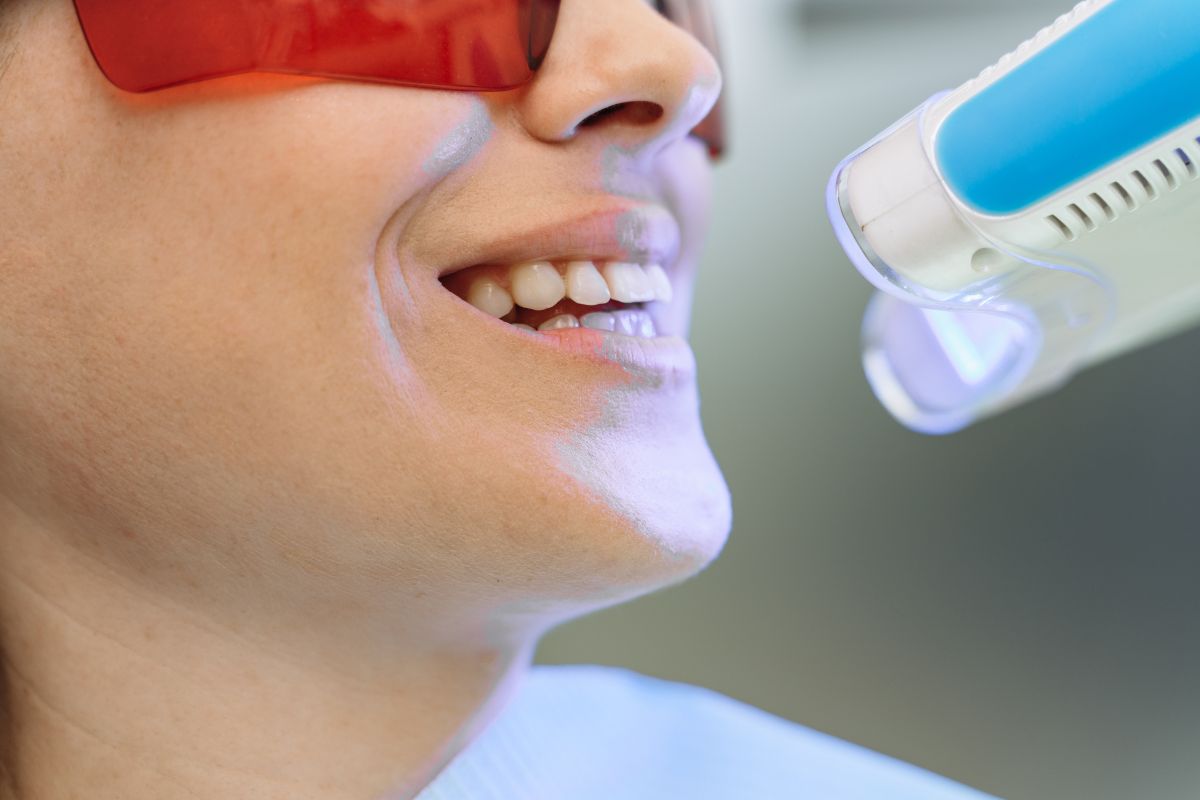
State Street Dental offers Zoom teeth whitening as part of its cosmetic dentistry services. Zoom is an in-office whitening option designed to brighten natural teeth during a professionally supervised appointment.
What Happens During a Zoom Whitening Appointment?
If you are considering professional teeth whitening in Erie, your dentist will first evaluate your oral health. The examination helps determine whether whitening is appropriate.
Initial Assessment
Your dentist checks for cavities, gum inflammation, exposed roots, and other conditions that could affect treatment. Existing restorations are also evaluated.
Protection of Soft Tissues
During professional whitening, the gums and other soft tissues are protected according to the whitening system’s instructions. This helps limit unnecessary exposure to bleaching agents.
Whitening Application
The bleaching gel is applied to the teeth for a controlled period. The exact procedure depends on the product and treatment protocol.
Final Evaluation
After treatment, your dentist reviews the result and discusses aftercare. Some patients achieve a noticeable change during one appointment, while others may require additional treatment.
Is Professional Whitening Better Than Store-Bought Products?
Both professional and over-the-counter whitening products can improve tooth color when used correctly. However, professional treatment offers several advantages. Your dentist can assess whether discoloration is likely to respond to bleaching.
They can also identify untreated dental problems and recommend an appropriate whitening method. Store-bought products may be useful for some patients, but improper use can increase sensitivity or irritate the gums. The right option depends on your goals, dental health, and the degree of discoloration.
Can Whitening Damage Your Teeth?
When used as directed, dentist-supervised whitening is generally considered safe for appropriate candidates. Temporary tooth sensitivity and gum irritation are among the more common side effects.
Patients with exposed roots, existing sensitivity, or untreated decay may require additional precautions. Repeated or excessive whitening is not recommended. More bleaching does not always produce a better result.
Why Do Some Teeth Not Whiten Evenly?
Natural teeth, fillings, crowns, and veneers do not all respond to whitening agents. Porcelain crowns and composite fillings generally retain their existing color.
If you have visible restorations, your dentist may discuss whether they will need replacement to match your newly whitened teeth. Certain internal stains may also be more resistant to bleaching. In those cases, veneers or other cosmetic treatments may be considered.
How Can You Maintain a Brighter Smile?
Whitening results are not permanent.
You can help preserve your results by following a few practical habits:
- Brush twice daily with fluoride toothpaste.
- Clean between your teeth every day.
- Rinse with water after consuming staining beverages.
- Limit tobacco use and seek help quitting.
- Attend routine dental examinations and cleanings.
- Follow your dentist’s instructions regarding touch-up treatments.
You do not have to eliminate every cup of coffee to maintain a brighter smile.
Consistent oral care and reasonable habits can make a difference.
FAQs About Teeth Whitening
1. How long does professional teeth whitening last?
Results may last several months to a few years, depending on diet, tobacco exposure, oral hygiene, and individual factors.
2. Can yellow teeth become white again?
Many types of yellow discoloration respond to bleaching. However, the final shade depends on your natural tooth color and the cause of staining.
3. Where can I get Zoom teeth whitening in Erie, PA?
State Street Dental offers Zoom whitening in Erie. A cosmetic consultation can determine whether the treatment is suitable for your teeth.
4. Does teeth whitening work on crowns and fillings?
No. Whitening products generally do not change the color of crowns, veneers, or composite fillings.
A Brighter Smile Starts With Understanding Your Teeth
If your teeth still appear yellow despite regular brushing, the cause may have little to do with your cleaning routine.
At State Street Dental in Erie, our team can evaluate tooth discoloration and discuss professional whitening options. Call (814) 456-7821 to schedule a cosmetic dentistry consultation.