3419 State St, Erie, PA 16508


By State Street Dental | September 28, 2026
You bite into something crunchy and suddenly feel a sharp pain in one tooth. A few seconds later, the discomfort disappears. You check the mirror but cannot see anything unusual.
Could your tooth be cracked? Is it simply sensitive? Or is there a deeper problem that needs treatment?
Dental pain that comes and goes can be difficult to understand. Some cracks are too small to see without professional examination, and not every sensitive tooth needs a crown. For patients in Erie, recognizing the warning signs can help prevent avoidable damage.
Why Does a Cracked Tooth Sometimes Hurt Only When Chewing?
Your teeth are protected by enamel, the hard outer layer that helps withstand everyday chewing forces. However, enamel can develop cracks from trauma, grinding, repeated stress, or biting hard objects.
When a crack extends into the underlying tooth structure, chewing pressure may cause the affected sections to move slightly. This movement can irritate the tissues inside the tooth.
You might experience:
- Sharp pain when biting down
- Discomfort when releasing biting pressure
- Sensitivity to cold drinks
- Occasional pain when eating sweets
- Pain that seems to come and go
Some cracked teeth produce very few symptoms. The absence of constant pain does not necessarily mean the tooth is healthy.
What Causes Teeth to Crack?
Cracks can develop for several reasons.
Biting Hard Foods
Chewing ice, hard candy, or unpopped popcorn kernels can place substantial pressure on teeth. A tooth weakened by a large filling may be particularly vulnerable.
Teeth Grinding
Bruxism, or repeated grinding and clenching, places excessive forces on teeth. Over time, these forces can contribute to enamel wear, fractures, and damaged restorations.
Large Existing Fillings
A tooth with a large filling may have less natural structure remaining. When substantial tooth material has been removed, the remaining walls may become more vulnerable to fracture.
Accidents and Injuries
Sports injuries, falls, and other accidents can damage teeth. Even when the damage appears minor, an examination may reveal a deeper fracture.
Normal Wear Over Time
Years of chewing and exposure to different stresses can contribute to tooth wear. Older restorations may also need replacement when they deteriorate or lose their seal.
How Can You Tell Whether a Tooth Needs a Crown?
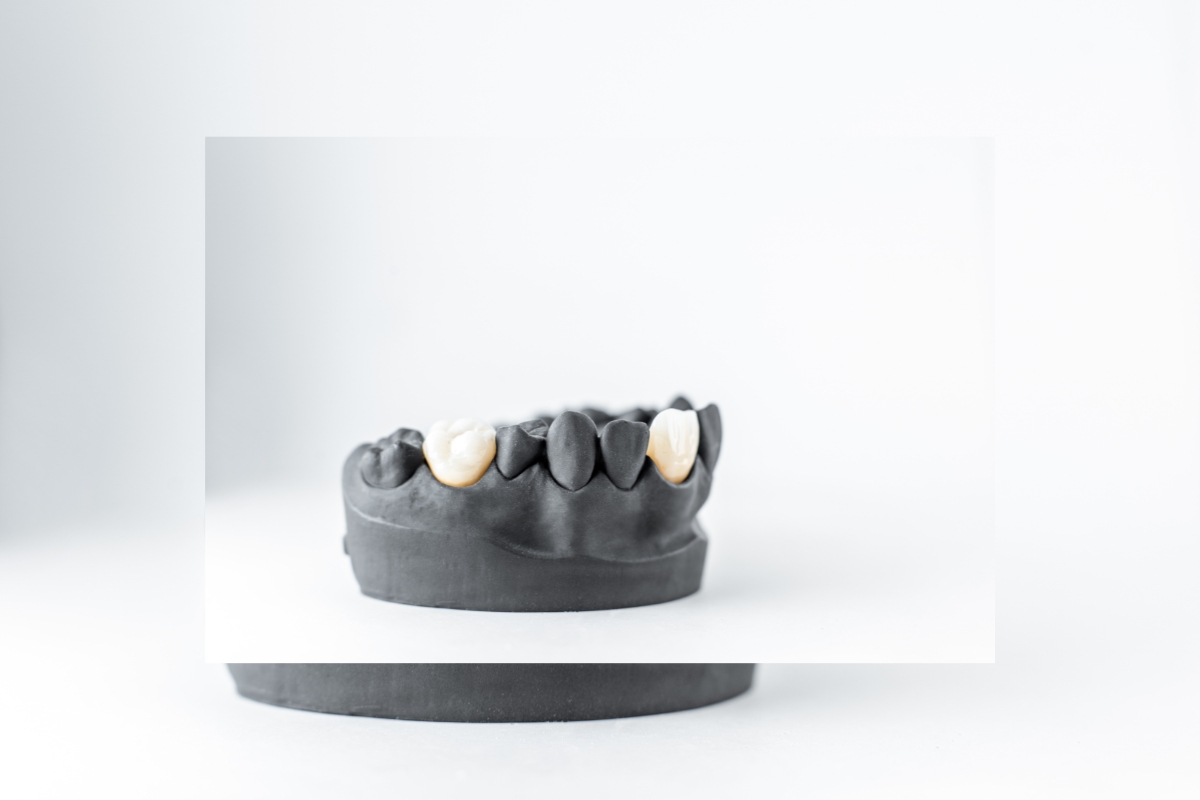
A dental crown is a custom-made restoration that covers the visible portion of a prepared tooth. Crowns can restore shape, appearance, and chewing function while helping protect weakened tooth structure. However, the need for a crown depends on the type and extent of damage.
When a Filling May Be Enough
Small cavities or limited chips can often be repaired with tooth-colored fillings. If enough healthy tooth structure remains, a crown may not be necessary.
When a Crown May Be Recommended
A crown may be appropriate when:
- A tooth has a large fracture
- A substantial portion of the tooth is missing
- A large filling has weakened the remaining structure
- A tooth needs protection after certain root canal treatments
- Significant wear has affected tooth shape and function
A crown can help stabilize certain cracked teeth, but it cannot repair every type of fracture. A crack extending deeply beneath the gums or through the root may make a tooth impossible to restore.
What Happens If You Ignore a Cracked Tooth?
The outcome depends on the severity and location of the crack. A superficial enamel line may never require restorative treatment. A deeper crack, however, can worsen under repeated chewing pressure.
Potential complications include persistent pain, damage to the dental pulp, infection, or fracture of a larger portion of the tooth. Some patients eventually require root canal treatment or extraction. This is why persistent pain when biting deserves attention.
What Is the Dental Crown Procedure Like?
For patients considering dental crowns in Erie, understanding the procedure can make treatment less intimidating.
Step 1: Dental Examination
Your dentist examines the tooth and evaluates your symptoms. X-rays, bite tests, and other diagnostic methods may help identify the problem. Not all cracks appear clearly on dental X-rays.
Step 2: Tooth Preparation
If a crown is recommended, damaged or decayed tooth structure is removed. The tooth is shaped to accommodate the restoration. Local anesthesia is typically used to keep the procedure comfortable.
Step 3: Impressions
Your dentist takes an impression or digital scan to create a crown that fits your tooth and bite.
Step 4: Temporary Protection
When the permanent crown is being fabricated separately, a temporary crown protects the prepared tooth.
Step 5: Final Placement
The finished crown is checked for fit, appearance, and bite alignment before being secured. State Street Dental offers porcelain crowns designed to restore damaged teeth while maintaining a natural-looking appearance.
How Long Do Porcelain Crowns Last?
Many dental crowns last 10 to 15 years or longer, although individual outcomes vary.
Their longevity depends on factors such as:
- Oral hygiene
- Crown material
- Bite forces
- Teeth grinding
- Diet
- Regular dental examinations
A crown can still develop problems if decay forms along its margins or the underlying tooth becomes damaged.
Daily brushing, flossing, and professional dental care remain important. If you grind your teeth, your dentist may recommend a protective nightguard.
Can a Crown Stop Tooth Sensitivity?
Sometimes. When sensitivity comes from exposed or damaged tooth structure, restoring the tooth may reduce discomfort.
However, sensitivity can also result from gum recession, cavities, pulp inflammation, or other conditions. A crown will not necessarily resolve pain caused by an untreated infection or an unrelated dental problem. Accurate diagnosis must come first.
FAQs
1. Can a cracked tooth heal naturally?
No. Unlike bone, a cracked tooth does not regenerate and repair the fracture. Treatment depends on how deep the crack extends.
2. Does every cracked tooth need a crown?
No. Superficial cracks may require monitoring, while smaller fractures may be treated with bonding or fillings. More extensive damage may require a crown.
3. Where can I get a porcelain crown in Erie?
State Street Dental provides porcelain crowns in Erie. The dental team can examine your tooth and determine whether a crown is appropriate.
4. Can I eat normally after receiving a crown?
Most patients can return to normal chewing once the permanent crown is secured and any anesthesia has worn off. Your dentist may recommend avoiding particularly hard or sticky foods.
Protect Your Tooth Before the Damage Gets Worse
A cracked tooth does not always cause constant pain, but recurring discomfort deserves attention. At State Street Dental in Erie, our dental team can assess damaged teeth and recommend appropriate restorative care.
Call (814) 456-7821 to schedule an appointment and learn whether a dental crown can help protect your smile.