3419 State St, Erie, PA 16508


By State Street Dental | September 14, 2026
Losing a tooth is one thing. Living with that empty space for years is another. Maybe you lost a molar long ago and never replaced it. Perhaps you wear a removable denture but wish you had something more stable. Whatever the reason, you may be wondering whether you have waited too long for a permanent tooth replacement.
The encouraging news is that many people can still receive dental implants years after losing a tooth. However, the condition of your jawbone, gums, and remaining teeth plays an important role in determining your options.
For residents of Erie, understanding these factors can help make the decision easier.
What Happens When You Leave a Missing Tooth Unreplaced?
Your natural tooth roots do more than hold your teeth in place. They transfer chewing forces to the surrounding jawbone, helping maintain its structure.
When a tooth is lost, the bone that previously supported its root no longer receives the same stimulation. Over time, the jawbone can gradually shrink in that area. This process is called bone resorption.
Several changes may occur after tooth loss:
- Jawbone deterioration: The bone surrounding the missing tooth may lose height and width.
- Shifting teeth: Neighboring teeth may tilt toward the empty space.
- Bite changes: Tooth movement can affect how your upper and lower teeth meet.
- Chewing difficulties: Missing teeth may make certain foods harder to eat.
- Changes in appearance: Significant tooth and bone loss can affect facial support.
These changes do not happen at the same rate for everyone. Some patients retain sufficient bone for implant placement even after many years.
Can Dental Implants Work After Significant Bone Loss?
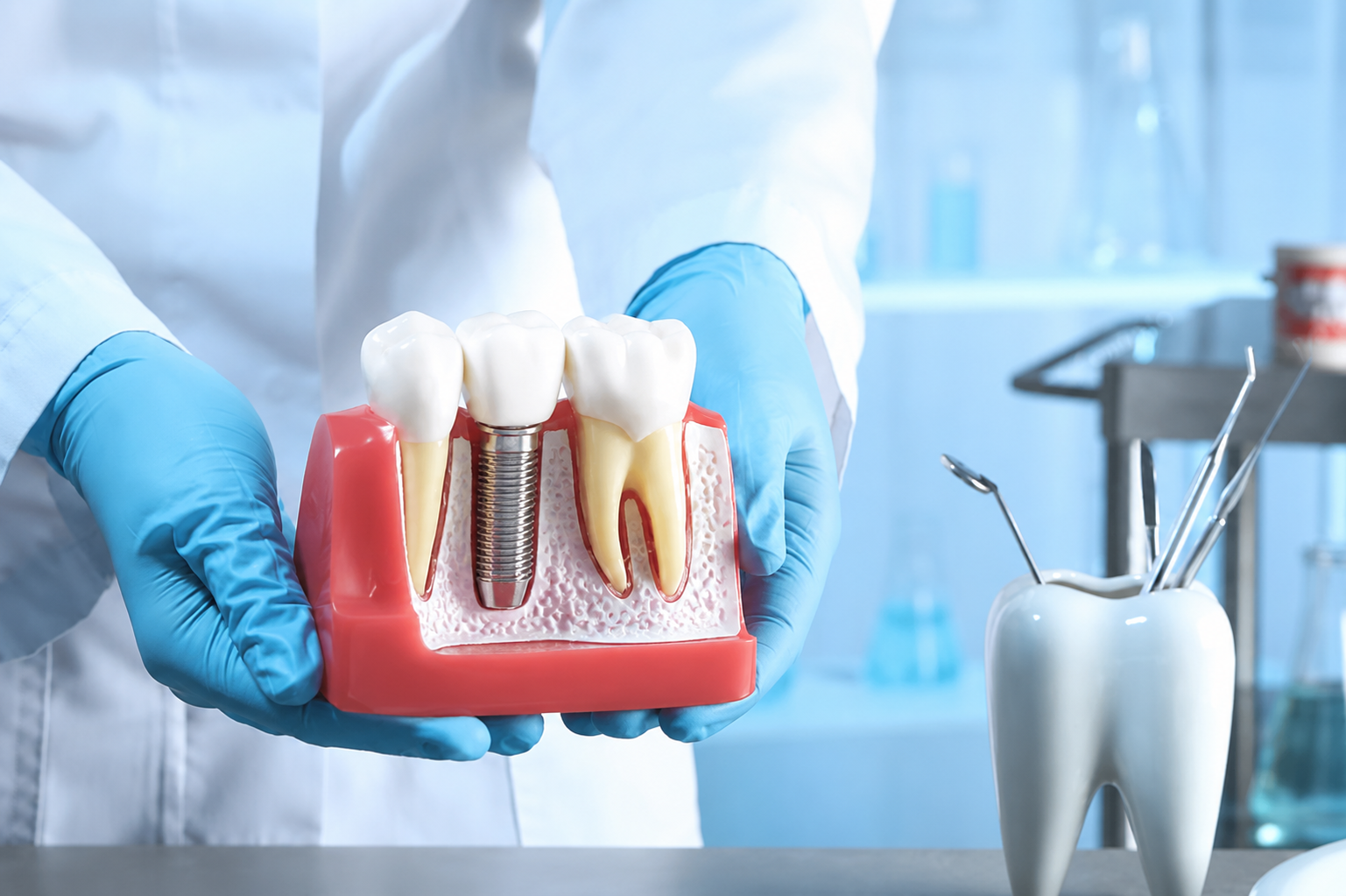
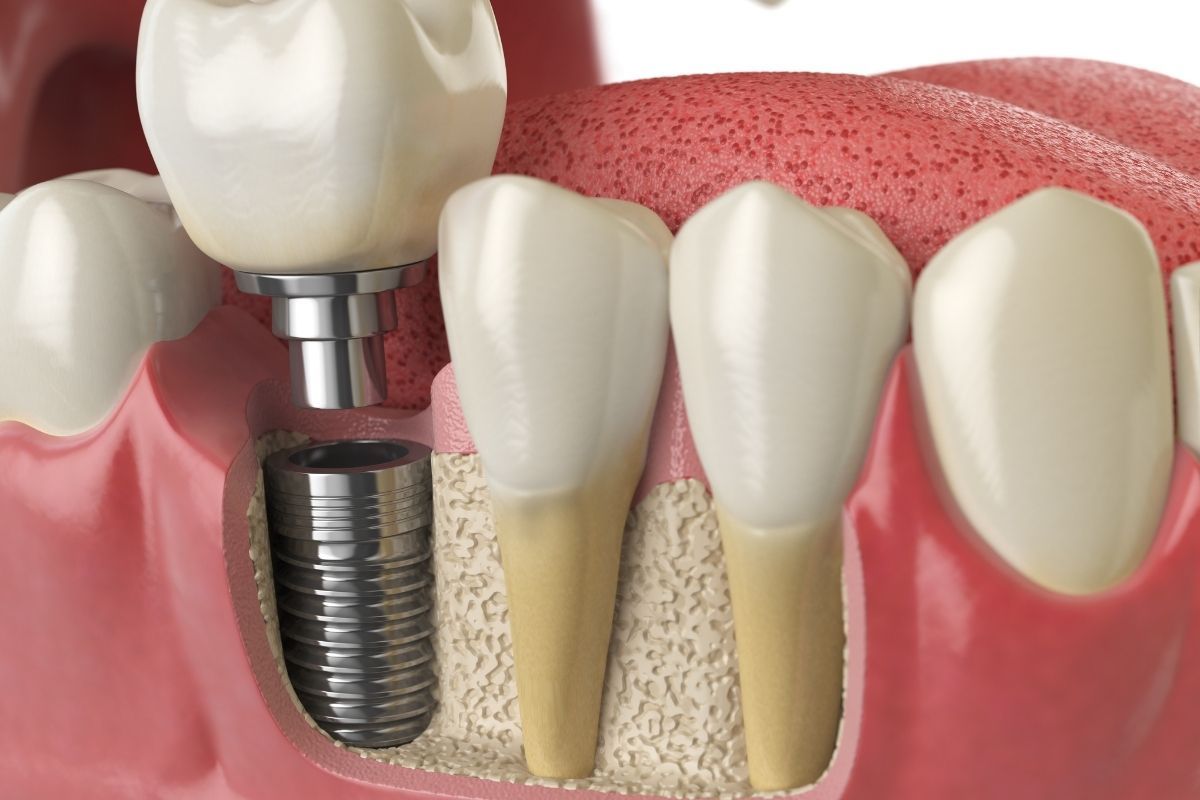
Yes, in some cases. Dental implants are small posts, typically made from titanium, that are surgically placed into the jawbone. They support replacement teeth such as crowns, bridges, or certain dentures.
For successful placement, the implant needs adequate bone support and healthy surrounding tissues. If you have experienced bone loss, your dentist may recommend additional procedures before implant placement.
Bone Grafting
Bone grafting adds material to an area where the jawbone lacks sufficient volume. The graft provides a framework that can support new bone formation. Healing may take several months before the area is ready for an implant. Not every patient requires grafting.
Sinus Lift Procedures
When upper back teeth have been missing for a long time, the available bone beneath the sinus may be limited. A sinus lift can increase the bone volume available for certain upper-jaw implants. Your dentist will determine whether this procedure is necessary after reviewing your anatomy.
Alternative Implant Positions
Some patients may qualify for implants of different dimensions or alternative placement strategies. These approaches depend on bone availability, bite forces, and the planned restoration. A detailed examination is essential before selecting any treatment.
How Do Dentists Determine Whether You Qualify?
If you are considering dental implants in Erie, your evaluation will generally focus on several important factors.
Jawbone Health
Your dentist needs to understand how much bone remains and whether it can support an implant. Three-dimensional imaging, such as cone beam computed tomography (CBCT), may help evaluate bone dimensions and nearby anatomical structures.
Gum Health
Active periodontal disease can compromise implant treatment. Inflammation and infection may need to be addressed before surgery.
Medical History
Certain medical conditions, medications, and lifestyle factors can affect healing. For example, uncontrolled diabetes and tobacco use may increase the risk of complications.
Overall Bite Alignment
Your dentist will also evaluate how your remaining teeth come together. Excessive bite forces can place unnecessary stress on a restoration. State Street Dental offers dental implant services and cone beam CT imaging, which can support detailed implant planning when clinically indicated.
How Long Does the Dental Implant Process Take?
The timeline varies considerably. Some patients may be ready for implant placement soon after their evaluation. Others need extractions, periodontal treatment, or bone grafting first.
A typical process may include:
- Initial consultation: Examination, imaging, and treatment planning.
- Preparatory treatment: Bone grafting or other procedures when necessary.
- Implant placement: Surgical insertion of the implant into the jawbone.
- Healing period: Time for the implant to integrate with the surrounding bone.
- Final restoration: Placement of the crown, bridge, or denture.
The full process may take several months, particularly when additional healing is necessary.
Are Implants Better Than Bridges or Dentures?
Each option has advantages. A dental bridge replaces missing teeth using adjacent teeth or implants for support. A removable denture can replace several missing teeth without requiring implant surgery.
Implants offer an important distinction: they replace the missing tooth root with an artificial support structure. They also avoid relying on neighboring natural teeth for support when used as single-tooth replacements.
However, implants involve surgery and may require a greater initial investment. The right treatment depends on your oral health, medical history, preferences, and budget.
What Happens If You Keep Waiting?
Delaying tooth replacement does not automatically eliminate your future options. However, additional bone loss or tooth movement may make treatment more complicated.
An evaluation can help establish your current condition, even if you are not ready to proceed immediately. For Erie residents who have lived with missing teeth for years, learning about available treatment options is a useful first step.
FAQs
1. Can I get dental implants after 10 years without a tooth?
Possibly. Many patients remain candidates after a decade or longer. Your dentist must evaluate jawbone volume, gum health, and other clinical factors.
2. Is there an age limit for dental implants?
There is generally no upper age limit. Overall health, bone development, and the ability to heal are more important than age alone.
3. Where can I get evaluated for dental implants in Erie?
State Street Dental provides implant consultations and restorative dental services in Erie. An examination can help determine whether implants are appropriate for your situation.
4. Can dental implants fail?
Yes. Although implants have high long-term success rates, complications can occur. Poor oral hygiene, smoking, uncontrolled periodontal disease, and certain medical conditions can increase risks.
Your Missing Tooth Does Not Have to Define Your Smile
Whether you lost a tooth recently or several years ago, you may still have options for restoring your smile.
At State Street Dental in Erie, our team can evaluate your oral health, discuss tooth replacement possibilities, and help you understand the next steps.