3419 State St, Erie, PA 16508



By State Street Dental | March 26, 2026
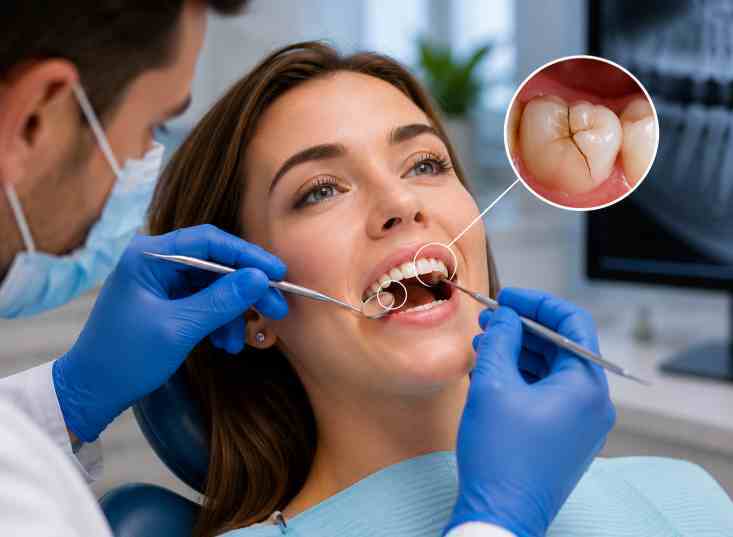
A small spot on a tooth? It’s easy to overlook—no immediate pain, and daily demands pull you in every direction. But tooth decay is relentless. It starts as a tiny enamel breach from acids produced by plaque bacteria feasting on sugars. Without intervention, it burrows deeper into dentin, then the pulp, sparking sensitivity, infection, or even abscesses. By then, simple fixes turn into root canals or crowns. Understanding this quiet progression empowers you to act early, saving time, money, and discomfort down the line.
At State Street Dental, located right on State Street in Erie, we often see this pattern. Patients visit us from downtown, Millcreek, Peach Street, and nearby neighborhoods, usually after something small has started to feel more noticeable. That is why we focus on clear, practical guidance you can apply right away. The goal is simple – help you recognize early signs and make informed decisions before the issue grows.
Daily routines in the Gem City also play a role in how decay develops. Colder months often mean more warm drinks and comfort foods. Frequent sipping and snacking increase acid exposure throughout the day. While the local fluoridated water supports enamel strength, it cannot fully offset these habits. Being aware of how your daily habits affect your teeth makes it easier to take small steps that protect your long-term health.
Start Your Oral Care With A Team You Can Trust
At State Street Dental, your care is guided by Dr. Kevin Sambuchino, Dr. Daniel Roberts, and Dr. Vivian Zhou, who focus on patient comfort and clear guidance.
Dr. Sambuchino brings advanced training in laser dentistry, Invisalign, and implant care, offering precise, modern solutions. Dr. Roberts, an Erie native, combines strong clinical training with a deep understanding of the local community. Together, they create a care experience that feels both professional and personal.
Schedule your visit with us and get care from a team that puts your comfort first.
How Tooth Decay Progresses Beneath The Surface?
Tooth demineralization develops through a predictable biological process driven by bacteria and acid production.
Stage 1: Enamel Demineralization
Bacteria metabolize sugars and produce acids. These acids dissolve minerals in the enamel, creating weak spots. At this stage, there is no pain.
Stage 2: Dentin Involvement
Once the infection penetrates enamel, it reaches dentin, a softer layer beneath. This is when sensitivity often begins. Cold drinks or sweets may trigger discomfort.
Stage 3: Pulp Inflammation
The pulp contains nerves and blood vessels. When bacteria reach this area, inflammation develops. Pain becomes more frequent and may linger.
Stage 4: Abscess Formation
If untreated, the infection can spread beyond the tooth root. This may lead to swelling, pus formation, and severe discomfort.
Each stage represents a deeper level of involvement and requires more complex management.
Why Is Pain Not Always Immediate?
Many people wait because there is no discomfort. However, the absence of pain does not mean everything is fine. Enamel has no nerve supply. Early decay can progress significantly before reaching sensitive areas. By the time pain appears, the condition is often advanced. This is why routine exams are crucial. They detect changes before symptoms begin.
How Dental Caries Have A Structural Impact On Your Tooth?
As tooth demineralization advances, it weakens the integrity of the tooth. Along with that, the infection also:
- Loss Of Natural Strength: Enamel provides durability. Once compromised, the tooth becomes more prone to fractures.
- Increased Risk Of Breakage: Weakened teeth may crack under normal chewing forces.
- Compromised Function: Damage alters how pressure is distributed during biting. This may lead to discomfort or uneven wear on surrounding teeth.
How Your Daily Lifestyle Habits That Accelerate Decay?
Your daily routines might be silently speeding up tooth damage—especially in Erie’s chilly climate. Bacteria thrive on sugars and starches, producing enamel-melting acids. Spot these culprits and swap them out to protect your smile:
Frequent Snacking: Nibbling sugary or starchy foods every hour feeds bacteria nonstop, bathing teeth in acid for up to 20 minutes per bite.
Warm Beverage Consumption: Coffee, tea, and hot chocolate are common during long winters. Frequent sipping increases acid exposure.
Dry Indoor Air: Heating systems can reduce moisture levels, contributing to dry mouth and reduced saliva flow.
Inconsistent Hygiene Routine: Plaque buildup remains active when brushing or flossing is skipped.
In the Gem City, long winters often lead to more indoor time and frequent snacking. This pattern can increase the risk of enamel breakdown if not balanced with proper care.
Early Warning Signs That Should Not Be Ignored
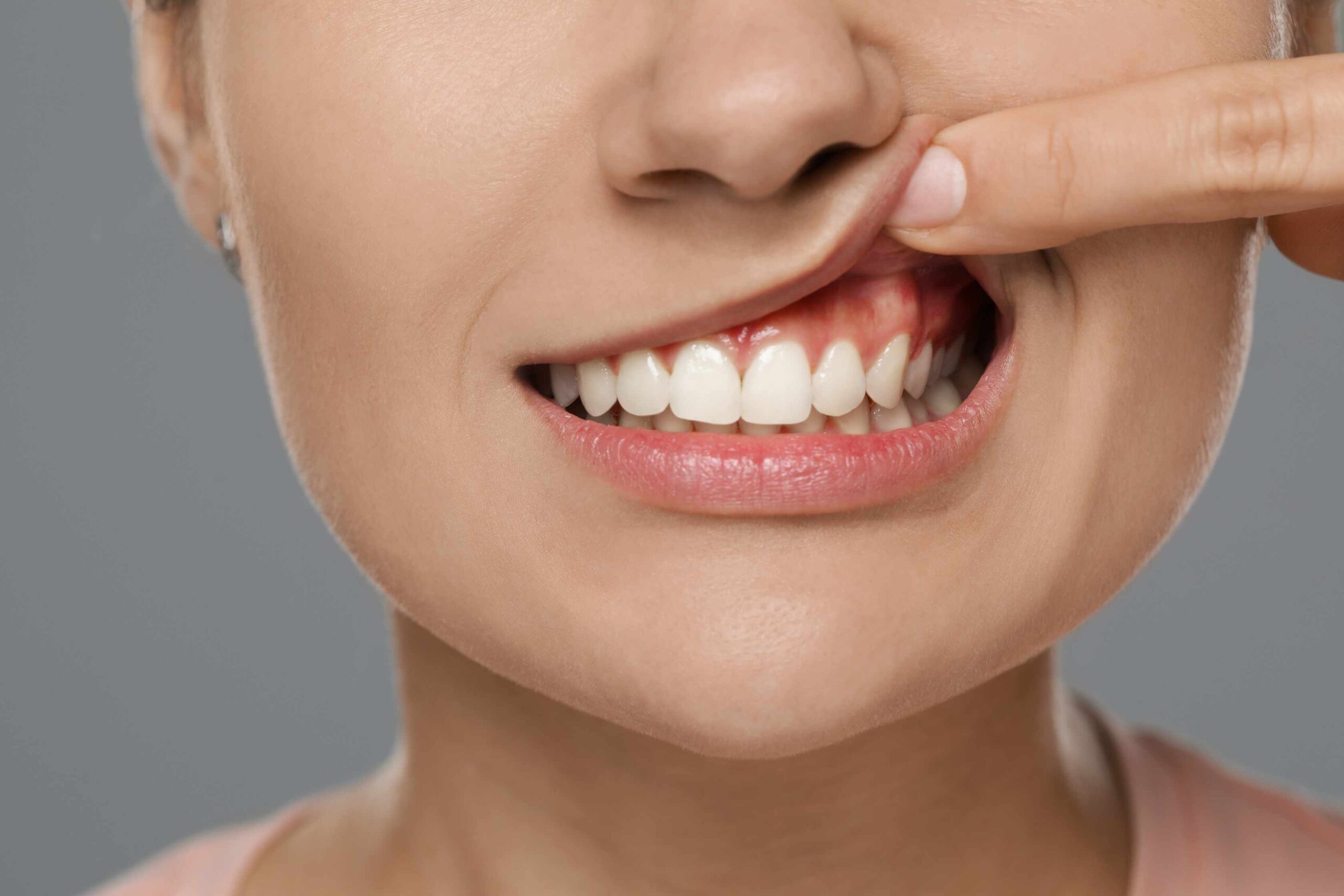
Subtle changes often appear before severe symptoms develop. These signs indicate that the cavity is progressing beneath the surface.
- Sensitivity to temperature changes
- Discomfort with sweet foods
- Visible discoloration or dark spots
- Rough or uneven tooth surfaces
- Persistent bad breath
What Happens When A Cavity Reaches Advanced Stages?
Once tooth damage reaches the inner layers, intervention becomes more involved. Dental professionals in Erie then recommend:
- Deep Cleaning And Restoration: When caught moderately early, fillings can restore function.
- Root Canal Therapy: If infection reaches the pulp, this procedure removes infected tissue while preserving the structure.
- Tooth Extraction: In severe cases, removal may be necessary to prevent further spread.
At this stage, treatment becomes more complex, both clinically and in terms of recovery.
What Is The Role Of Preventive Care To Stop Cavity Formation?
Preventive dental care in Erie works best when it fits naturally into your routine, not just as an occasional visit.
Regular checkups help catch early signs of enamel erosion before they become noticeable. Imaging and clinical exams allow providers to see changes that are not visible yet. Professional cleanings remove buildup that daily brushing often misses, especially in areas that are harder to reach.
Families of this community benefit from the fluoridated water system, which helps strengthen enamel over time. However, that protection is only part of the equation. Fluoride treatments during visits can reinforce weaker areas, especially if your routine includes frequent snacking or warm beverages.
Sealants may also be recommended to protect grooves in back teeth where buildup tends to settle. Preventive care is not just about avoiding problems. It is about maintaining comfort, function, and long-term stability with minimal intervention.
How Erie’s Lifestyle Influences Oral Health?
Life in this area follows a rhythm shaped by long winters, lakefront summers, and strong community traditions. These patterns can quietly affect oral health over time.
During colder months in the Flagship City, more time indoors often leads to frequent snacking rather than structured meals. This increases how often teeth are exposed to acids. Warm drinks like coffee and tea are also part of daily routines, especially in winter, and frequent sipping can gradually weaken your enamel.
In summer, outdoor days at Presque Isle and local festivals bring a different habit pattern. Residents often rely on quick snacks, sweet treats, and sports drinks, which extend acid exposure throughout the day. These habits are part of everyday life for the locals. However, repeated exposure matters more than quantity. Being aware of these patterns helps you make small, practical changes that support stronger enamel and better long-term oral health.
Take The Right Step For Lifelong Oral Health
Caring for your teeth doesn’t have to be a chore—it’s about simple, sustainable habits that deliver real results. You can reduce the decay risk by 40% with twice-daily brushing (use fluoride toothpaste!), daily flossing to banish hidden plaque, mindful snacking timed to meals, and quick rinses after eating. These aren’t drastic changes; they’re game-changers for a confident, pain-free smile that lasts decades.
At State Street Dental, Dr. Kevin Sambuchino, Dr. Daniel Roberts, and Dr. Vivian Zhou, stands ready to partner with you. With years of combined experience in preventive and restorative care, they deliver personalized plans in a relaxed, judgment-free space. Whether you’re spotting that first small mark, managing sensitivity, or just seeking a checkup to stay ahead, expect clear explanations, gentle techniques, and a focus on your comfort every step. Book Now for a consultation!
Frequently Asked Questions (FAQs)
1. How long can you leave a cavity untreated before it becomes serious?
Enamel erosion can progress within months, depending on diet, hygiene, and enamel strength. Once it reaches dentin or pulp, complications increase and require more involved care.
2. Can a tooth demineralization stop progressing on its own?
Early enamel damage may stabilize with strong hygiene and fluoride exposure. However, once dental caries penetrates deeper layers, it continues advancing without professional intervention.
3. What are the signs a cavity has reached the nerve?
Persistent pain, sensitivity that lingers, and discomfort while biting often indicate pulp involvement. In some cases, swelling or a bad taste may suggest infection.
4. Can untreated tooth decay affect overall health?
Bacteria from advanced decay can enter the bloodstream and contribute to inflammation elsewhere. This may impact conditions like heart health and complicate existing systemic issues.
5. Is it possible to reverse early tooth decay without fillings?
Yes, early-stage enamel damage can remineralize with fluoride and improved hygiene. This process strengthens weakened areas but only works before structural breakdown occurs.