3419 State St, Erie, PA 16508


By State Street Dental | July 17, 2026
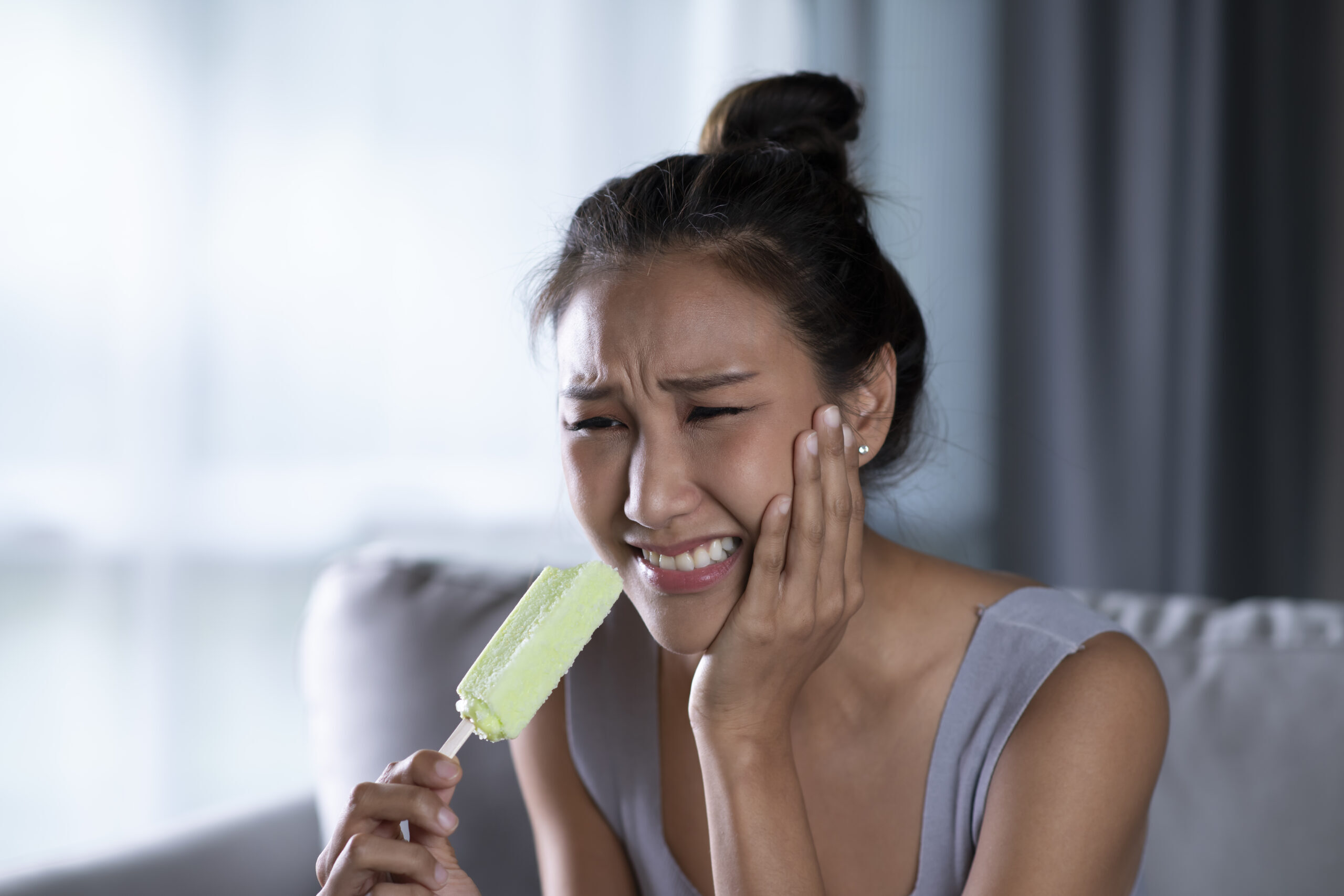
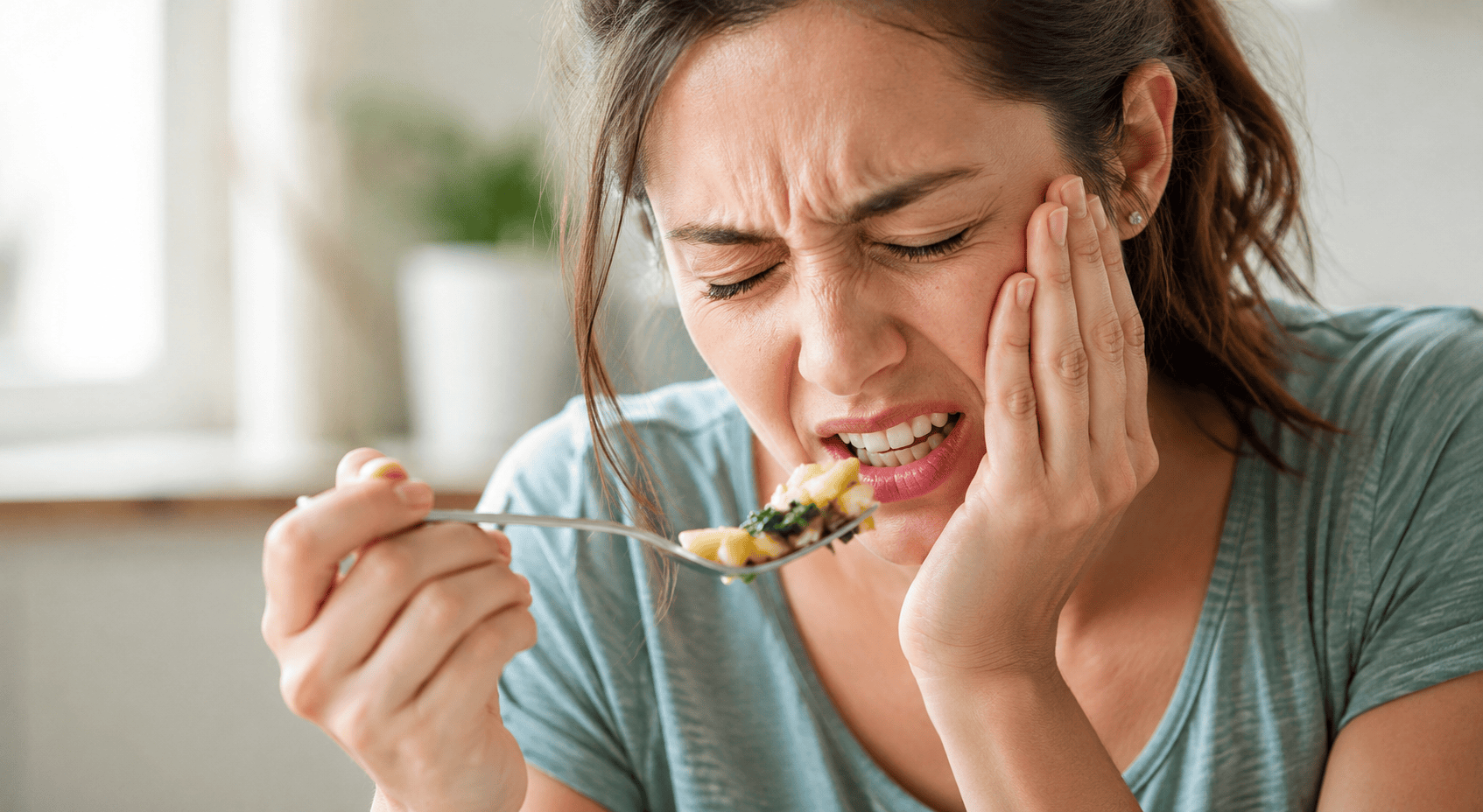
You’re enjoying dinner when you suddenly feel a sharp pain in one tooth as you bite into your food. Moments later, the pain disappears, making you wonder if it’s really something to worry about.
If you live in Erie, PA, this type of discomfort shouldn’t be ignored. Pain that only occurs while biting is often an early warning sign that a tooth has been damaged or infected, even if it feels perfectly normal the rest of the day. Seeking emergency dentistry in Erie, PA, early can help identify the problem before it develops into severe pain, swelling, or even tooth loss.
The good news is that many bite-related tooth problems can be treated successfully when diagnosed early, helping you preserve your natural smile and avoid more extensive procedures.
Why Does a Tooth Hurt Only When You Bite?
Unlike a constant toothache, pain during biting usually means pressure is being placed on a weakened tooth or the tissues surrounding it.
The discomfort often lasts only a few seconds because the pressure is removed as soon as you stop chewing. However, the underlying problem remains and may gradually worsen over time.
That’s why pain while biting should never be considered “normal.”
Common Reasons Your Tooth Hurts When You Bite
Several dental conditions can cause this symptom.
A Cracked Tooth
Small cracks are often invisible to the naked eye. Every time you bite, the crack flexes slightly, irritating the sensitive inner portion of the tooth.
A Deep Cavity
Decay doesn’t always cause constant pain. As it progresses deeper into the tooth, biting pressure may trigger discomfort before a continuous toothache develops.
An Inflamed Tooth Nerve
If bacteria reach the pulp, the nerve inside the tooth becomes inflamed. Many patients first notice pain while chewing before the tooth begins hurting on its own.
A Loose Filling or Dental Restoration
Older fillings can wear down or loosen over time, allowing pressure to be distributed unevenly whenever you bite.
Bite Misalignment
Sometimes the tooth itself is healthy, but your bite places excessive force on one area, creating pain during chewing.
What Your Symptoms May Be Telling You
| What You Feel | Possible Cause | What Your Dentist May Recommend |
| Sharp pain only when biting | Cracked tooth | Comprehensive dental examination |
| Pain after chewing | Inflamed tooth nerve | Root canal evaluation |
| Sensitivity with biting and cold foods | Deep cavity | Tooth-colored filling if detected early |
| Pain around an old filling | Worn or leaking restoration | Filling replacement or restorative treatment |
| Tooth feels “too high” | Bite imbalance | Bite adjustment |
| Swelling with biting pain | Dental infection | Emergency dental treatment |
Remember: Only a professional dental examination and digital X-rays can determine the exact cause of your discomfort.
Don’t Ignore These Warning Signs
Bite pain often appears alongside other symptoms, including:
- Sensitivity to hot or cold drinks
- Pain that comes and goes
- Swollen gums near one tooth
- Pain when releasing your bite
- A chipped or broken tooth
- Bad breath that doesn’t improve
- Facial swelling
- Difficulty chewing on one side
If you notice any of these symptoms, it’s time to schedule a dental evaluation.
How Your Dentist Diagnoses the Problem
Tooth pain while biting can have several different causes, so identifying the source is the first step toward effective treatment.
During your visit, your dentist may:
- Review your symptoms and dental history.
- Examine the tooth for cracks or fractures.
- Check existing fillings and restorations.
- Evaluate how your teeth come together when you bite.
- Take digital X-rays to detect hidden decay or infection.
- Perform additional diagnostic tests if necessary.
This thorough evaluation helps determine the most conservative treatment possible.
How the Problem Is Treated
Treatment depends entirely on what’s causing the pain.
Your dentist may recommend:
- Tooth-colored fillings to repair early cavities.
- Root canal therapy is used when the tooth’s nerve has become infected.
- Dental crowns to protect cracked or weakened teeth.
- Emergency dental care for severe infections, swelling, or trauma.
- Dental implants if a tooth cannot be preserved.
The earlier treatment begins, the greater the chance of saving your natural tooth.
Why Waiting Can Make Things Worse
Many patients postpone treatment because the pain only happens while chewing. Unfortunately, dental problems rarely improve without professional care.
What starts as a small crack or cavity can eventually lead to:
- Severe tooth pain
- Dental abscesses
- Broken teeth
- Difficulty eating
- Tooth loss
- More extensive and costly treatment
Taking action early is almost always the simplest and most affordable solution.
Protect Your Smile Before the Pain Gets Worse
Pain while biting is your body’s way of telling you that something isn’t right. Whether it’s caused by a cracked tooth, deep cavity, infection, or bite imbalance, early diagnosis can prevent more serious complications.
If you’re experiencing discomfort every time you chew, don’t wait for the pain to become constant. Request an appointment with the team at State Street Dental for emergency dentistry in Erie, PA. We’ll identify the cause of your pain, explain your treatment options, and help restore your comfort as quickly as possible.
Frequently Asked Questions
Why does my tooth only hurt when I bite down?
Pain while biting is commonly caused by a cracked tooth, a cavity, an infection, or an uneven bite.
Is tooth pain when chewing considered a dental emergency?
It can be, especially if it’s accompanied by swelling, severe pain, or signs of infection.
Will the pain go away on its own?
No. Most conditions that cause bite pain require professional dental treatment.
Can a cavity hurt only when I bite?
Yes. Deep cavities can become painful under pressure before causing constant discomfort.
When should I see a dentist for tooth pain while chewing?
Schedule an appointment as soon as possible if the pain lasts more than a day, worsens, or is accompanied by swelling or sensitivity.