3419 State St, Erie, PA 16508


By State Street Dental | July 20, 2026
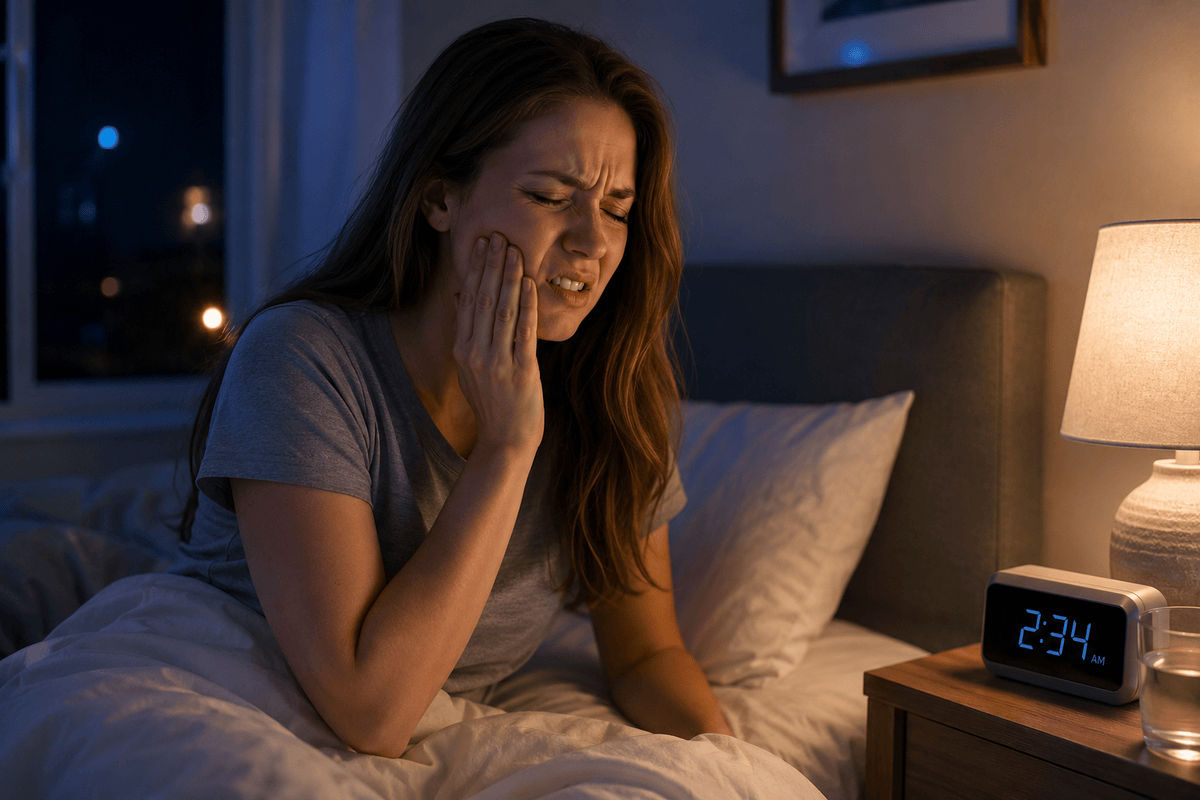
You’re finally ready to go to bed after a long day, but instead of falling asleep, you’re distracted by a throbbing toothache that seems to get worse with every passing minute.
If you’ve ever wondered why tooth pain feels more intense at night, you’re not imagining it. While the discomfort may seem manageable during the day, nighttime often makes dental pain feel sharper, stronger, and harder to ignore.
In some cases, it’s simply increased sensitivity. In others, it could be your body’s way of warning you about an infection, a cracked tooth, or another dental problem that needs prompt attention. Understanding the cause is the first step toward getting lasting relief.
Why Does Tooth Pain Feel Worse at Night?
Several factors can make an existing tooth problem feel much more noticeable after the sun goes down.
Lying Down Increases Pressure
When you lie flat, blood naturally flows more easily toward your head. This extra circulation can increase pressure around inflamed tooth nerves, making pain feel stronger than it did while you were upright.
There Are Fewer Distractions
During the day, work, conversations, and daily activities keep your attention elsewhere. At night, the quiet environment makes it easier to notice discomfort that may have been present all day.
Teeth Grinding During Sleep
Many people clench or grind their teeth while sleeping without realizing it.
This constant pressure can aggravate an already irritated tooth and make night time pain significantly worse by morning.
Common Causes of Night time Tooth Pain
Nighttime discomfort can develop for many different reasons.
Tooth Decay
When a cavity reaches the inner layer of the tooth, it can irritate the dental pulp, where nerves and blood vessels are located, resulting in lingering pain.
Tooth Infection
An infected tooth often causes pressure inside the tooth that becomes more noticeable when you’re lying down.
Other warning signs include:
- Persistent throbbing pain
- Swollen gums
- Facial swelling
- Bad taste in your mouth
- Pain that wakes you up during the night
Cracked Tooth
Small cracks aren’t always visible, but they can expose sensitive tissue inside the tooth.
Pain often becomes worse while chewing or after eating hot or cold foods.
Worn Fillings or Dental Crowns
Older restorations may loosen or wear down over time, allowing bacteria to enter the tooth and irritate the nerve.
Gum Disease
As gum tissue recedes, tooth roots become exposed and increasingly sensitive.
According to the Centers for Disease Control and Prevention (CDC), nearly 47% of adults aged 30 and older have some form of periodontal disease. Early treatment helps reduce the risk of tooth loss and other complications.
When Should You Visit an Emergency Dentist Near Erie, PA?
Not every toothache requires immediate treatment, but certain symptoms should never be ignored.
If your pain is severe, persistent, or accompanied by swelling, it’s time to contact an emergency dentist near Erie, PA, rather than waiting to see if the discomfort improves on its own.
Seek prompt dental care if you experience:
- Severe or throbbing tooth pain
- Swelling around the gums, jaw, or face
- A knocked-out tooth
- A broken or cracked tooth
- Bleeding that doesn’t stop.
- Fever along with dental pain
- Difficulty swallowing or opening your mouth
- Pus or drainage around the affected tooth
These symptoms may indicate an infection or serious dental injury that requires professional treatment as soon as possible.
When Can Tooth Pain Wait?
Not every toothache needs same-day care.
You may be able to schedule a regular dental appointment if you notice:
- Mild sensitivity to cold foods
- Temporary discomfort after chewing
- Food trapped between teeth
- Slight soreness around the gums
Even if the pain is mild, it’s still important to have the tooth examined before the problem progresses.
What You Can Do Until Your Appointment
While waiting to see your dentist, these simple steps may help reduce discomfort.
| What You Can Do | Why It Helps |
| Rinse with warm salt water | Helps reduce bacteria and soothe irritated tissues. |
| Floss gently around the tooth | Removes trapped food that may increase pressure. |
| Sleep with your head elevated | May reduce pressure around inflamed tissues. |
| Avoid extremely hot, cold, or sugary foods | Prevents additional irritation. |
| Take an over-the-counter pain reliever as directed | Provides temporary symptom relief. |
These measures may ease discomfort temporarily, but they won’t eliminate the underlying dental problem.
Why You Shouldn’t Ignore Nighttime Tooth Pain
A toothache that consistently keeps you awake is rarely something that resolves on its own.
Ignoring the problem may allow:
- A cavity becomes deeper
- An infection to spread
- A cracked tooth can worsen
- Gum disease to progress
- Treatment is becoming more complex and costly
Addressing the issue early often leads to faster treatment and a better outcome.
Get the Relief You Need Before the Pain Gets Worse
Tooth pain has a way of disrupting everything, from your sleep to your ability to eat comfortably and focus during the day. The good news is that many dental emergencies can be treated successfully when they’re addressed early.
At State Street Dental, we provide prompt, compassionate care for patients experiencing urgent dental concerns. Whether you’re dealing with a severe toothache, a cracked tooth, or signs of an infection, our team will identify the cause and recommend the most appropriate treatment.
If your tooth hurts more at night, don’t wait for the pain to become unbearable. Schedule an appointment today with State Street Dental, proudly caring for patients in Erie, PA, and nearby communities, and let us help you get back to sleeping and smiling comfortably.
Frequently Asked Questions
Why does my tooth hurt more at night?
Lying down increases blood flow to your head, which can place extra pressure on inflamed tooth nerves and make pain feel more intense.
Is nighttime tooth pain always a dental emergency?
No, but severe pain, swelling, fever, or a broken tooth should be evaluated as soon as possible.
Can a tooth infection hurt more at night?
Yes. Tooth infections commonly cause throbbing pain that becomes more noticeable when you’re lying down.
How can I temporarily relieve tooth pain before seeing a dentist?
Rinse with warm salt water, keep your head elevated while sleeping, avoid extreme temperatures, and take an over-the-counter pain reliever as directed.
When should I schedule an emergency dental appointment?
If your tooth pain is severe, persistent, causes swelling, or follows a dental injury, schedule an appointment as soon as possible.