3419 State St, Erie, PA 16508


By State Street Dental | August 14, 2026
If you take Ozempic, Wegovy, or Zepbound, you probably pay attention to your weight, blood sugar, appetite, and other changes in your body. But there is another area worth watching: your mouth.
You may have heard terms such as “Ozempic teeth” or “Ozempic mouth” online. These aren’t formal dental diagnoses, and there is not enough evidence to say that these medications directly damage teeth. However, newer research suggests that some side effects associated with GLP-1 medications can indirectly affect your teeth, gums, saliva, and overall oral health.
For patients in Erie, PA, understanding these potential changes can help you recognize problems early and know when to see your dentist.
How Can GLP-1 Medications Affect Your Mouth?
Ozempic and Wegovy contain semaglutide, while Zepbound contains tirzepatide. These medications affect appetite, digestion, and blood sugar regulation.
The concern for your mouth is largely what can happen as a result of those effects.
A 2026 clinical review found that semaglutide-related oral concerns can include dry mouth, bad breath, altered taste, reflux, nausea, and vomiting. The researchers emphasized that these effects can indirectly increase susceptibility to dental problems rather than showing that semaglutide directly damages enamel or other tooth structures.
The American Dental Association has similarly highlighted dehydration, dry mouth, vomiting, and reflux as potential pathways connecting GLP-1 medications with oral-health concerns.
1. Dry Mouth Can Mean More Trouble for Your Teeth
Saliva does much more than keep your mouth comfortable.
It helps wash away food particles, neutralize acids, protect tooth surfaces, and support a healthy oral environment.
If you experience persistent dry mouth while taking a GLP-1 medication, your teeth may lose some of that natural protection. Reduced saliva can contribute to bad breath, tooth sensitivity, enamel demineralization, and a greater risk of cavities.
Some people may also drink less because their appetite and thirst can change.
That makes hydration particularly important.
If your mouth frequently feels sticky or dry, you wake up with a dry mouth, or you notice a sudden increase in bad breath, mention it during your next dental examination in Erie, PA.
2. Nausea, Vomiting and Reflux Can Affect Enamel
This is one of the most important connections to understand.
Vomiting brings stomach acid into contact with your teeth. Repeated acid exposure can weaken enamel and contribute to dental erosion and sensitivity.
GLP-1 medications commonly cause gastrointestinal symptoms, particularly during the early stages of treatment or after dose changes. These can include nausea, vomiting, reflux, diarrhea, and other digestive symptoms.
If you vomit, don’t immediately brush your teeth aggressively. Acid can temporarily soften the enamel surface. Rinsing your mouth with water and waiting before brushing can help reduce additional mechanical damage.
If vomiting is frequent or severe, talk with the medical professional managing your medication as well as your dentist.
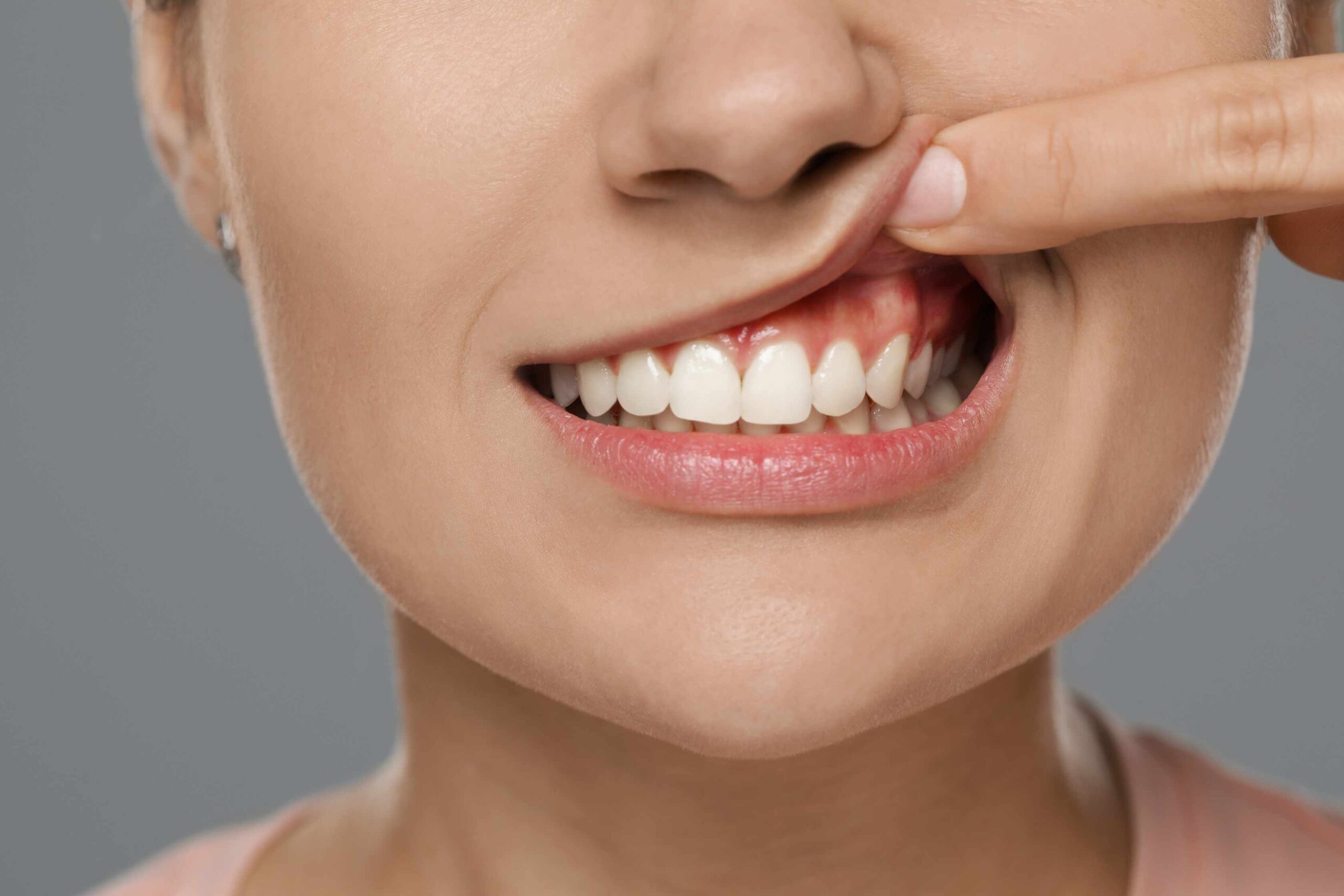
3. What About Your Gums?
There is currently no strong evidence showing that Ozempic, Wegovy, or Zepbound directly cause gum recession.
However, changes in saliva, hydration, oral hygiene, diet, and existing periodontal health can influence the gums.
Dry mouth can contribute to an environment where plaque and bacteria become more difficult to manage. That may increase the risk of gingival inflammation and other oral problems, particularly in someone who already has gum disease or inconsistent oral hygiene.
Watch for:
- Bleeding when brushing or flossing
- Swollen or tender gums
- Persistent bad breath
- New tooth sensitivity
- Receding gums
- Dry or sticky mouth
- Increased plaque buildup
- New or recurring cavities
These symptoms don’t automatically mean your medication is responsible. A dental examination is needed to identify the actual cause.
4. Weight Loss Doesn’t Mean You Should Ignore Nutrition
Another consideration is what happens to your diet.
GLP-1 medications can significantly reduce appetite. Some patients may consequently eat much less or make substantial changes to what they eat.
That can be beneficial when medically supervised, but inadequate nutrition can create additional concerns for overall health, including the tissues supporting your teeth and gums. The ADA has noted nutritional considerations as part of oral-care management for patients using semaglutide and similar medications.
The goal isn’t to stop a medication that has been prescribed for you. Instead, make sure your medical and dental providers know what you’re taking so they can consider the complete picture.
What Should Erie Patients Do?
If you’re taking Ozempic, Wegovy, or Zepbound, don’t wait for a toothache before paying attention to your oral health.
Keep brushing twice daily with fluoride toothpaste, clean between your teeth regularly, stay adequately hydrated, and tell your dentist about your medications and any changes you’ve noticed.
Regular preventive care can also make it easier to identify early signs of cavities, gum inflammation, enamel wear, or dry-mouth complications.
For patients in Erie and nearby communities such as Millcreek, Harborcreek, Wesleyville, and Fairview, State Street Dental provides comprehensive dental care, including preventive examinations and treatment for oral-health concerns.
If you have noticed persistent dry mouth, new sensitivity, gum changes, or repeated dental problems since starting a GLP-1 medication, schedule a consultation rather than assuming the symptoms will disappear on their own.
You can also meet our doctors and discuss your concerns with the dental team serving Erie patients.
The Bottom Line: Don’t Blame the Medication Too Quickly
Ozempic, Wegovy, and Zepbound should not automatically be blamed for every new dental problem.
Current evidence points more toward indirect effects such as dry mouth, dehydration, vomiting, reflux, dietary changes, and altered saliva rather than proven direct damage to tooth structure. Research into the long-term oral effects of these medications is still developing.
The best approach is simple: know the warning signs, maintain good oral hygiene, stay hydrated, and keep your dentist informed about your medications.
Your weight-management plan and your dental-health plan do not have to compete. With communication between your healthcare providers, both can be managed together.
Frequently Asked Questions (FAQ’s)
Can Ozempic cause tooth decay?
Ozempic have not been shown to directly cause tooth decay, but dry mouth, dehydration, vomiting, reflux, and dietary changes associated with treatment may increase the risk of dental problems.
Can Wegovy affect your gums?
Wegovy may indirectly affect gum health through dry mouth, dehydration, changes in oral hygiene, or other treatment-related effects, but it has not been established as a direct cause of gum disease.
Does Zepbound cause dry mouth?
Dry mouth can occur during treatment with GLP-1 medications, although individual responses vary and persistent symptoms should be discussed with your healthcare and dental providers.
Should I tell my dentist that I take Ozempic, Wegovy, or Zepbound?
Yes, your dentist should know which prescription medications you take because medication-related symptoms can be relevant when evaluating your teeth, gums, saliva, and treatment needs.
What should I do if my teeth become sensitive while taking a GLP-1 medication?
Persistent new tooth sensitivity should be evaluated by a dentist because it can have several causes, including enamel erosion, cavities, exposed tooth roots, or gum recession.